アイレット
中国の評判の良いメーカーである Nuote Metals は、アイレットを喜んで提供します。最高のアフターサポートと迅速な納品をお約束します。
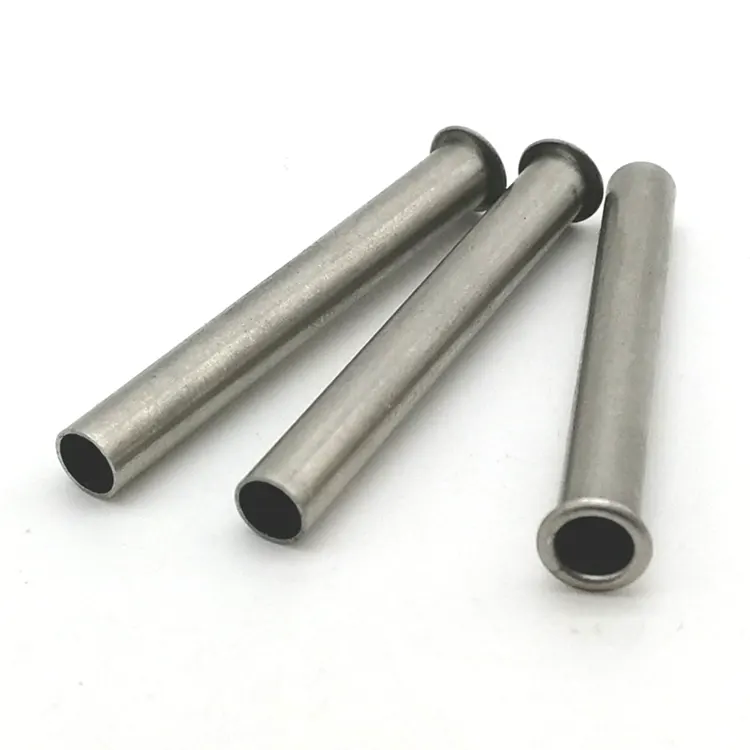
アイレットは、迅速な取り付け、安定した性能、高い信頼性が特徴です。ハトメは他のファスナーと比べて単価が大幅に安く、幅広い用途に使用できます。それらは似ています管状リベットアイレットは深絞り技術で作られ、管状リベットはチューブで作られます。
アイレットとは何ですか?
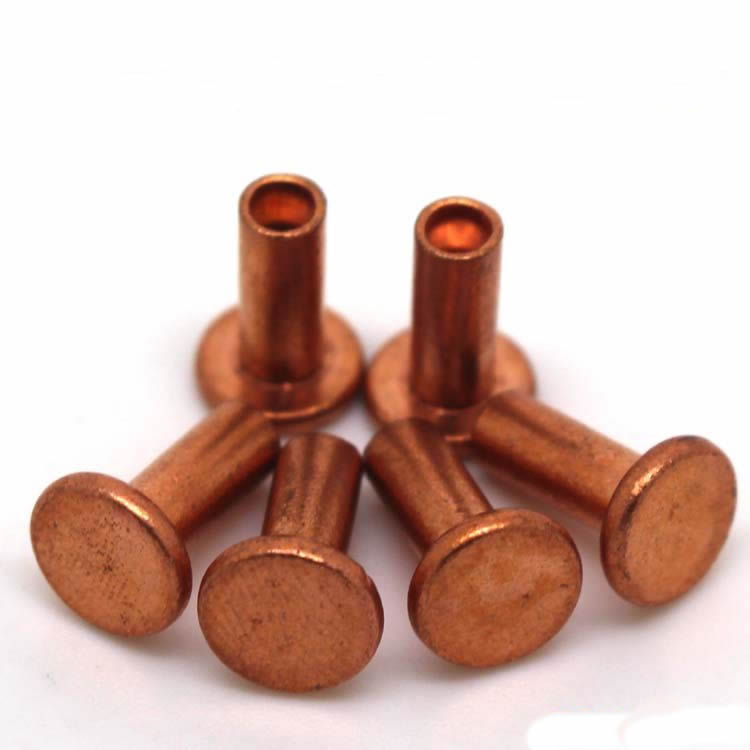
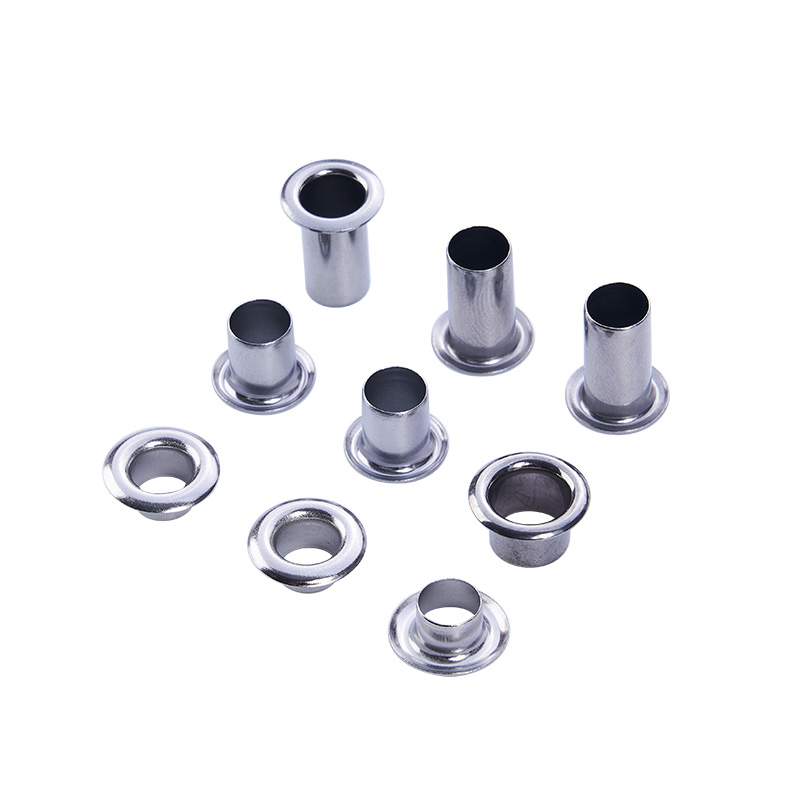
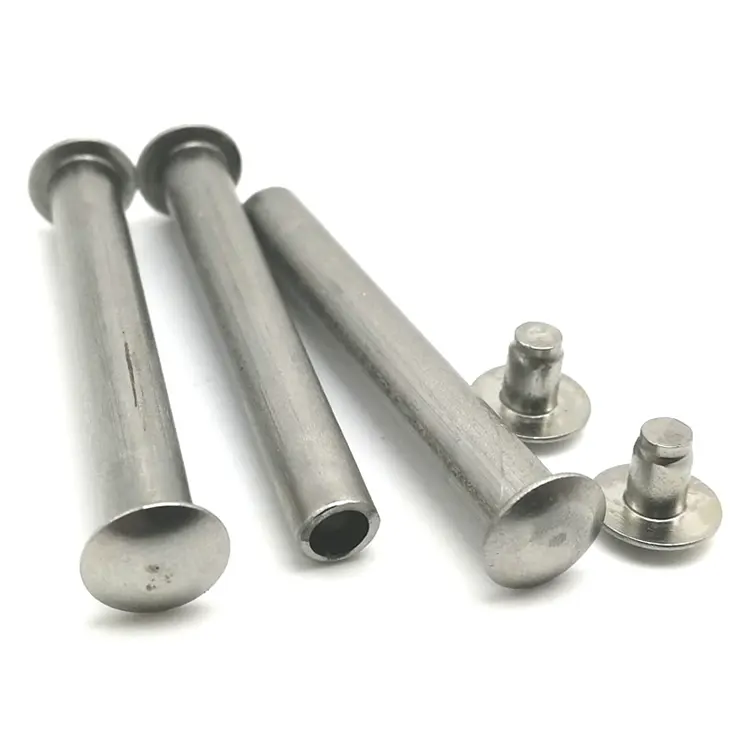
アイレットは主にキャップとシャンクで構成されています。キャップは通常、円形または楕円形で、取り付け時にハンマーで叩きやすいように表面積が大きいです。シャンクは適度な長さと直径を備えており、リベットが 2 つ以上のコンポーネントを確実に接続します。このタイプのアイレットの主な機能は、コンポーネントを接続して固定し、材料を損傷することなく確実な接続を確保することです。
アイレットにはどんな種類があるの?
使用される材料に基づいて、次のように分類できます。真鍮アイレット, スチールアイレット, ステンレス鋼のアイレット, アルミニウムアイレット、 そして銅製アイレット。異なるアイレットは、その材料特性に応じて異なる特性を持っています。
真鍮製アイレット: 優れた導電性と耐食性を備えているため、さまざまな電気接続や締結用途に広く使用されています。
スチール製アイレット: スチールは強度と硬度が高く、比較的安価です。ただし、スチールは耐食性が低く、特に湿気の多い環境では錆びやすくなります。したがって、鉄アイレットリベットの適用範囲は比較的限られています。

ステンレス製アイレット:耐食性に優れているのが特徴で、食品グレードの製品の固定によく使用されます。ただし、材料の硬度が比較的高いため、製造が難しく、単価が比較的高くなります。

アルミニウム製アイレット: 靴紐の穴、ベルトの穴、ウインドブレーカーの引き紐を締めるために使用され、美観を高めながら素早い着脱を可能にします。
銅製アイレット:導電性に優れているため、電子製品の接続や固定によく使用されます。

ハトメにはどのような表面処理が可能ですか?
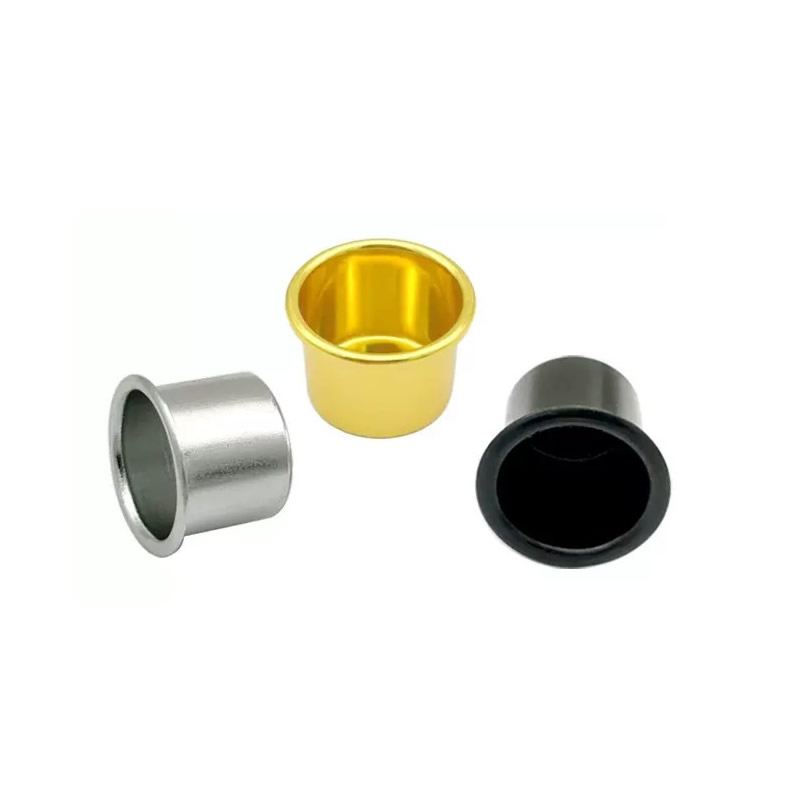
ハトメは溶融亜鉛メッキおよび研磨され、表面に帯電防止、耐食性、抗アレルギー性の保護層を形成します。銅製アイレットには、ホワイト ニッケル、ポリッシュ仕上げの錫、イミテーション ゴールド、アンティーク ブロンズ、マット ニッケル、ブロンズ、亜鉛、シルバーなど、さまざまな色があります。
一部の顧客は、色を全体のデザインと一致させ、酸化を防ぐためにアイレットヘッドのパウダーコーティングを希望することもあります。

製品
- View as

バッグアイレット
ハンドバッグのデザインでは、多くの場合、複数のアイレット サイズが必要になります。中国の工場である Nuote Metals は、ニッケル、亜鉛、またはアンティークメッキを施した、真鍮、スチール、ステンレススチール、またはアルミニウム製の 2mm ~ 10mm のカスタムバッグアイレットを供給しています。ロールリムが生地の端を保護し、フラッシュセッティングにより洗練された仕上がりを保証します。ストラップホール、通気性、または装飾的なアクセントを自由に組み合わせられます。一貫した品質とカスタマイズされたソリューションを提供する当社の工場を信頼してください。
続きを読むお問い合わせを送信
5mm真鍮アイレット
大きなコード用の大きな穴。当社の中国工場、Nuote Metals は、カスタム 5 mm 真鍮アイレットを製造しています。重いワークブーツや厚手のキャンバス製タープ、マリンカバーなどに最適です。広い内径は 6 mm のロープや革紐を簡単に受け入れることができ、真鍮製の構造は錆びや潰れに強いです。ロールエッジが負荷による生地の破れを防ぎます。太いコードを小さなアイレットに無理に通すのはやめてください。よりスムーズな締め心地と長寿命を実現するには、5mm サイズをお選びください。工場直送のカスタムアイレットなら当社にお任せください。
続きを読むお問い合わせを送信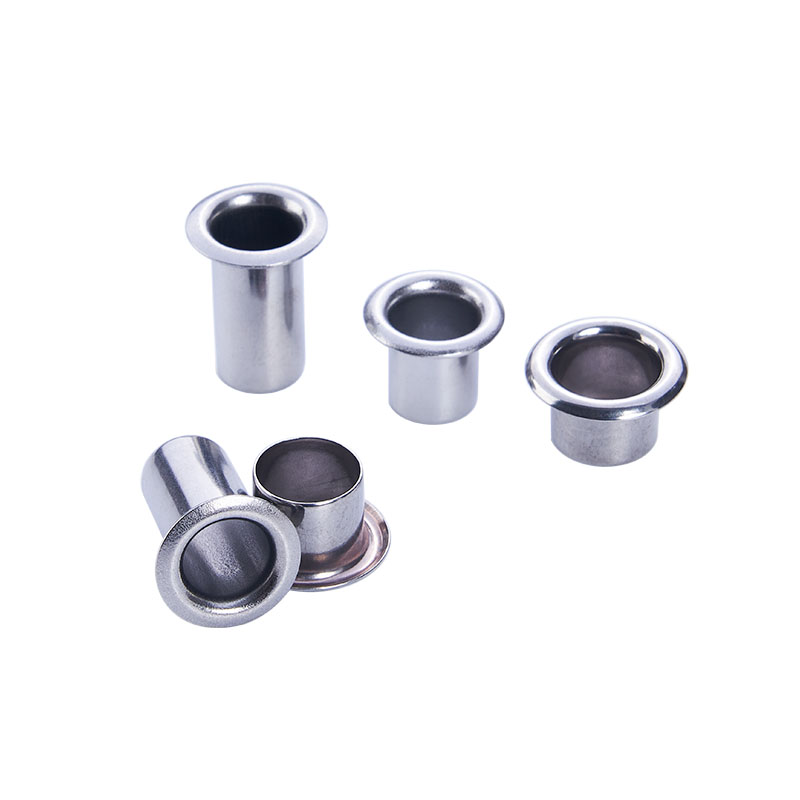
キャンバス用ステンレス鋼アイレット
屋外および海洋環境では、耐腐食性の強化が必要です。当社の中国工場、Nuote Metals は、キャンバス用のカスタムステンレススチールアイレットを製造しています。グレード 304 または 316 鋼は、錆びることなく塩水噴霧、紫外線、湿気に耐えます。丸めたリムは、張力による生地の端のほつれを防ぎます。ボートカバー、トラックの防水シート、日よけに最適です。過酷な条件下でのファスナーの破損を解決します。通常の真鍮や亜鉛よりも長持ちするステンレス製アイレットなら当社にお任せください。
続きを読むお問い合わせを送信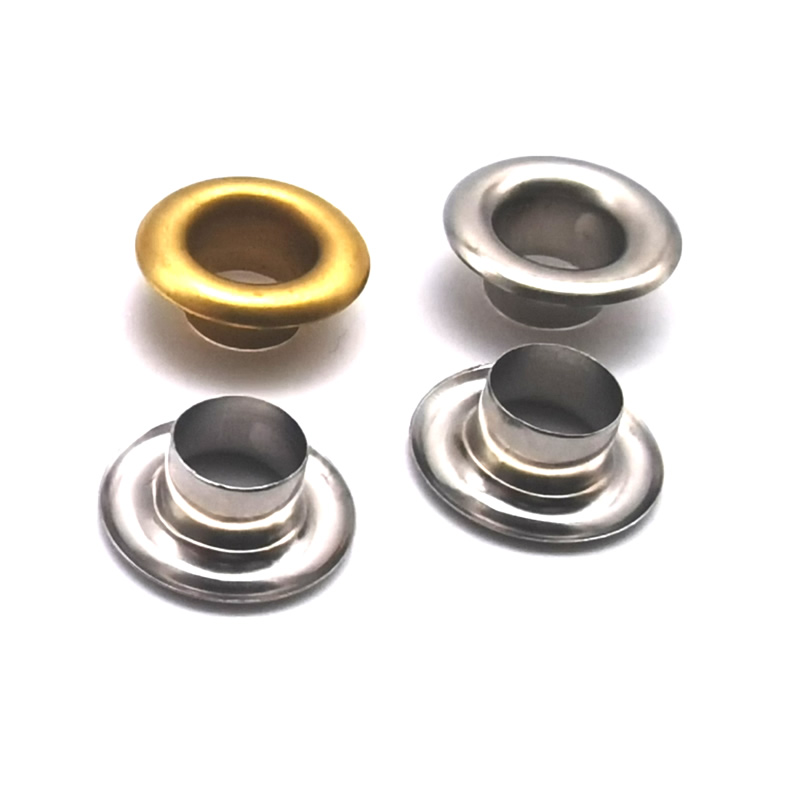
キャンバス用真鍮アイレット
耐久性の高いキャンバス用途向けに、中国の Nuote Metals は、長持ちするように作られたキャンバス用のカスタム真鍮アイレットを供給しています。標準的なアイレットとは異なり、当社の真鍮構造は錆びに強く、強い引っ張りにも変形することなく耐えられます。ターポリン、ボートカバー、テント、屋外バナーに最適です。ロールエッジがキャンバスの繊維をほつれから保護し、幅広のフランジが荷重を均等に分散します。工場直販の真鍮製アイレットで、早期の破れや腐食の問題を解決します。天候や摩耗に耐える頑丈な補強材は当社にお任せください。
続きを読むお問い合わせを送信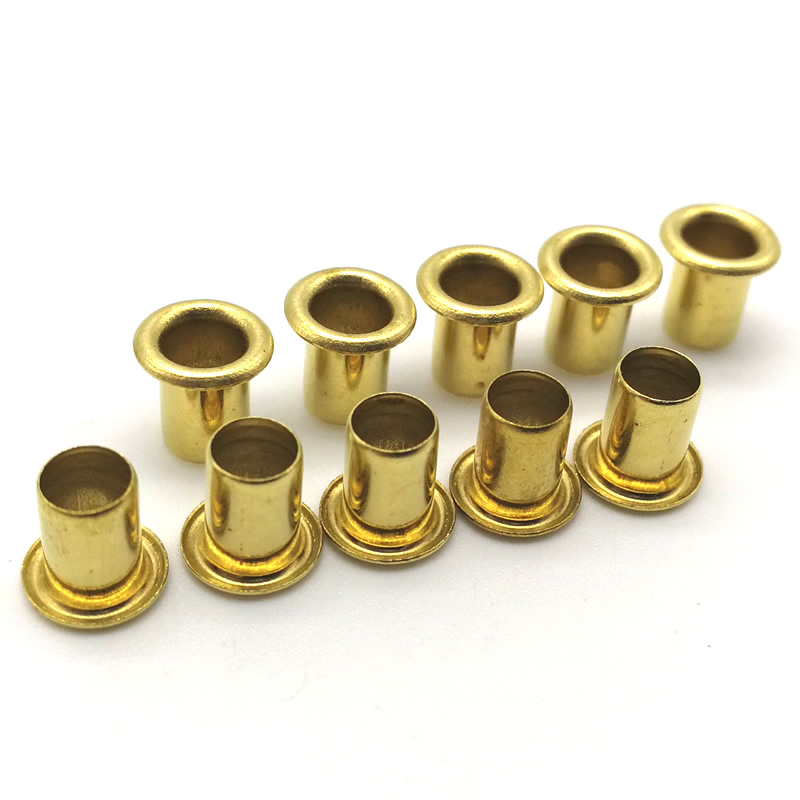
4mm 真鍮アイレット
中国の Nuote Metals は、より重いコード、レース、ロープ用のカスタム 4 mm 真鍮アイレットを提供しています。パーカー、ワークブーツ、キャンバス防水シート、アウトドア用品に最適です。内径が大きいため、厚い靴ひもをスムーズに通すことができ、ロール状のリムが生地の破れを防ぎます。錆びにくく、エッジが滑らかなこれらのアイレットは簡単に取り付けられ、しっかりと固定されます。信頼できる補強でプロジェクトをアップグレードします。工場直送の品質と迅速な発送を信頼してください。
続きを読むお問い合わせを送信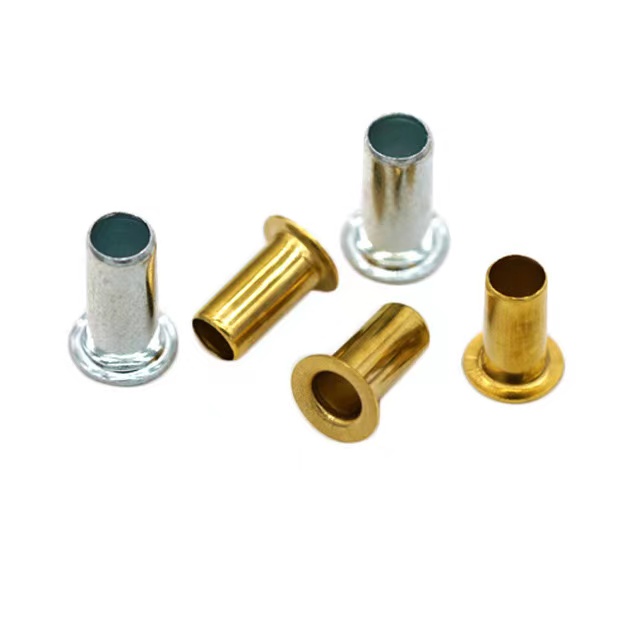
パンチングアイレット
信頼性の高いパンチングアイレットが必要ですか? Nuote Metals は中国の工場で、ターポリン、バナー、アウトドア用品用のカスタム パンチング アイレットを製造しています。パンチングデザインにより、生地に歪みがなくきれいな穴が開けられます。真鍮、鉄、ステンレス鋼、またはアルミニウムからお選びいただけます。素早い補強を求めるDIY愛好家やメーカーに最適です。数秒で取り付けられるアイレットでエッジの破れを解決します。一貫したサイジングと迅速な納品を実現する当社を信頼してください。
続きを読むお問い合わせを送信アイレットの主な用途は何ですか?
アイレット リベットは、建設、自動車、船舶、航空、電子産業で広く使用されています。
建設業界では、鉄骨梁や柱などのさまざまな金属部品を接続するためにアイレット リベットが使用されます。
自動車、船舶、航空産業では、アイレット リベットはアルミニウム合金やチタン合金などのさまざまな材料を接続するために使用されます。
エレクトロニクス産業では、アイレット リベットは、金属板やプラスチック シートなどのさまざまな金属および非金属材料を接続するために使用されます。
アイレットをリベット留めするにはどのような工具が使用されますか?
アイレット リベットは、手動または電動リベットペンチを使用してリベット締めできます。手動リベットペンチは一般的なツールであり、通常、小さなアイレットをリベット留めするのに適しています。電動リベッティングプライヤーは、大きなハトメや大量のリベッティングに適しています。
リベット留めの前にどのような準備が必要ですか?
リベット留め前の準備には、リベット留めされる材料の表面を洗浄し、適切なリベット穴の直径を選択することが含まれます。リベット留めされる材料の表面を洗浄すると、表面の汚れやグリースが除去され、確実な接合が確保されます。適切なリベット穴径を選択することで、リベット締結時の亀裂や緩みを防ぐことができます。
リベット留めする際の注意点は何ですか?
1. ハトメリベットの取り付け位置は、リベット穴の中心線と一致している必要があります。
2. リベット留めの際、アイレットシャンクはリベット留めされる材料の表面に対して垂直である必要があります。
3. アイレットヘッドは水平に安定した状態を保たなければなりません。
4. ハトメ穴の深さは、リベットシャンクの長さとハトメ圧力リベット部分の長さの合計と等しくなければなりません。
5. リベット締結力は、材料の厚みや性質に応じて、強すぎず、低すぎず、適切な力に調整してください。
6. リベット留め後、ハトメの破損や異物の兆候がないか、ハトメの品質を検査する必要があります。
結論
アイレットリベットは、さまざまな金属板や異種材料の接続に幅広く使用できる多用途のリベットファスナーです。リベットを固定する前に、適切なリベット穴の直径を選択したり、リベットを固定する材料の表面を洗浄したりするなど、十分な準備が必要です。リベッティングの際、高品質の接続を確保するには、リベッティング力や穴の深さなどの要素を慎重に考慮する必要があります。



X
当社は Cookie を使用して、より良いブラウジング体験を提供し、サイトのトラフィックを分析し、コンテンツをパーソナライズします。このサイトを使用すると、Cookie の使用に同意したことになります。
プライバシーポリシー