部品のスタンピング
Notin invites you to visit our factory to purchase the newest, best-selling, affordable, and high-quality Stamping Parts. We are looking forward to working with you.
What are stamping parts?
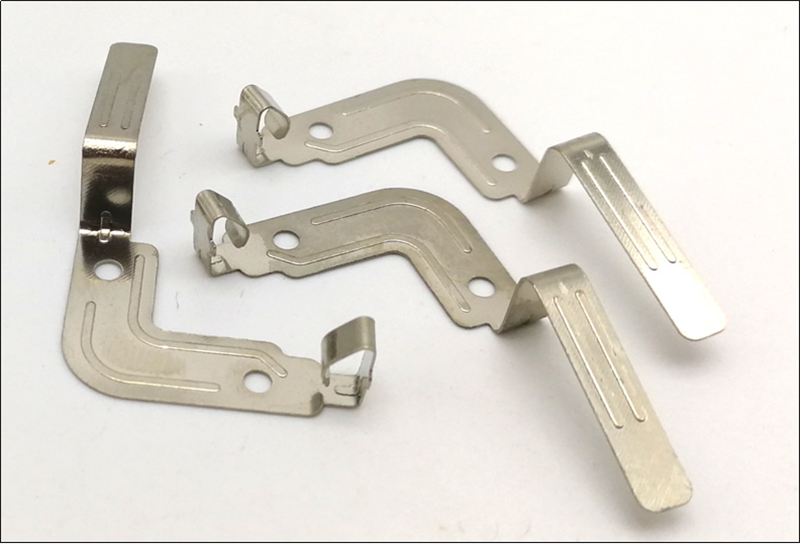
stamping parts are metal parts manufactured through a stamping process, using dies and presses to shear, bend, and stretch sheet metal (such as steel, aluminum, or copper) to form the desired shape. The core characteristics of this process are high efficiency and precision. Stamping can be categorized into two main types: separation processes (such as punching and blanking) and forming processes (such as drawing and flanging), to meet different structural requirements.
What are the main characteristics of stamping parts?
1. Compared to casting and forging, stamping parts are thinner, more uniform, lighter, and stronger. Stamping can produce workpieces with ribs, ribs, corrugations, or flanging that are difficult to create using other methods to increase rigidity.
2. Due to the use of dies, workpiece precision can reach micron levels, with high repeatability and consistent specifications, including punched holes and bosses. Cold stamped parts generally require no or minimal cutting.
3. The precision and surface finish of hot stamped parts are lower than those of cold stamped parts, but still superior to those of castings and forgings, requiring less cutting. 4. Using composite dies, particularly multi-station progressive dies, allows multiple stamping steps to be completed on a single press, achieving automated production from strip uncoiling, leveling, blanking, to forming and finishing.
5. High production efficiency, good working conditions, and low production costs enable the production of hundreds of pieces per minute. Stamping is primarily categorized by process into separating and forming.
6. The surface and internal properties of the stamped sheet material significantly impact the quality of the stamped product, requiring consistent thickness and uniformity of the stamped material.
7. The surface must be smooth, free of scars, scratches, or surface cracks, with uniform yield strength and no apparent directional variation; high uniform elongation; low yield strength; and low work hardening.
Metal Stamping Design Process
Metal stamping is a complex process that may include numerous metal forming steps—blank-cutting, punching, bending, and piercing, among others. Blanking: This process involves cutting the rough outline or shape of the product. This stage is focused on minimizing and avoiding burrs, which increase part cost and extend delivery time. This step is where you determine the hole diameter, geometry/taper, edge-to-hole spacing, and insert the first punch.
Bends: When designing bends in stamped metal parts, it's important to leave enough material—make sure to design your part and its blank so there's enough material to make the bend. Some important factors to keep in mind:
If the bend is too close to the hole, it may deform.
Notches, tabs, and notches should be designed with a width of at least 1.5 times the material thickness. Any smaller and they may become difficult to manufacture due to the forces exerted on the punch, causing them to break.
Each corner in the blank design should have a radius of at least half the material thickness.
To minimize the occurrence and severity of burrs, avoid sharp corners and complex cuts whenever possible. When these factors cannot be avoided, be sure to note the burr direction in the design so that it can be accounted for during stamping.
Coining: This action involves striking the edge of a stamped metal part to flatten or break burrs. This creates a smoother edge in the coined area of the part geometry. It can also add additional strength to localized areas of the part, which can avoid secondary operations such as deburring and grinding.
製品
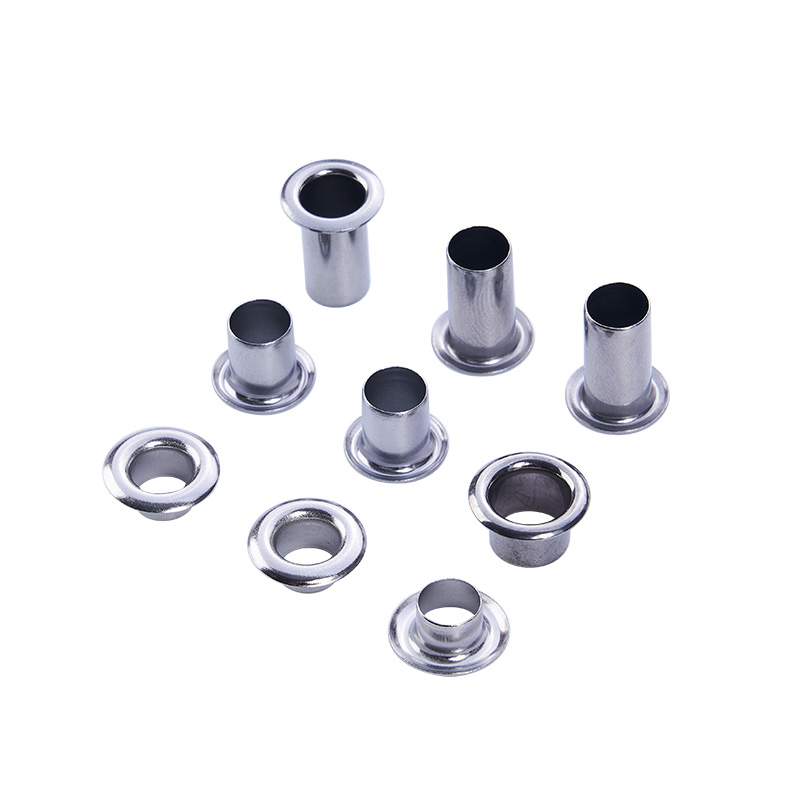
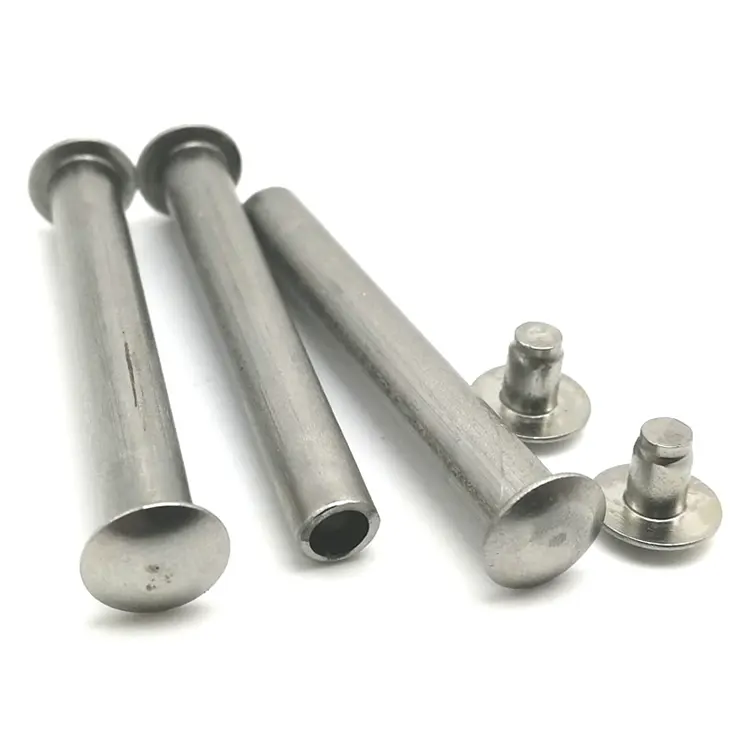
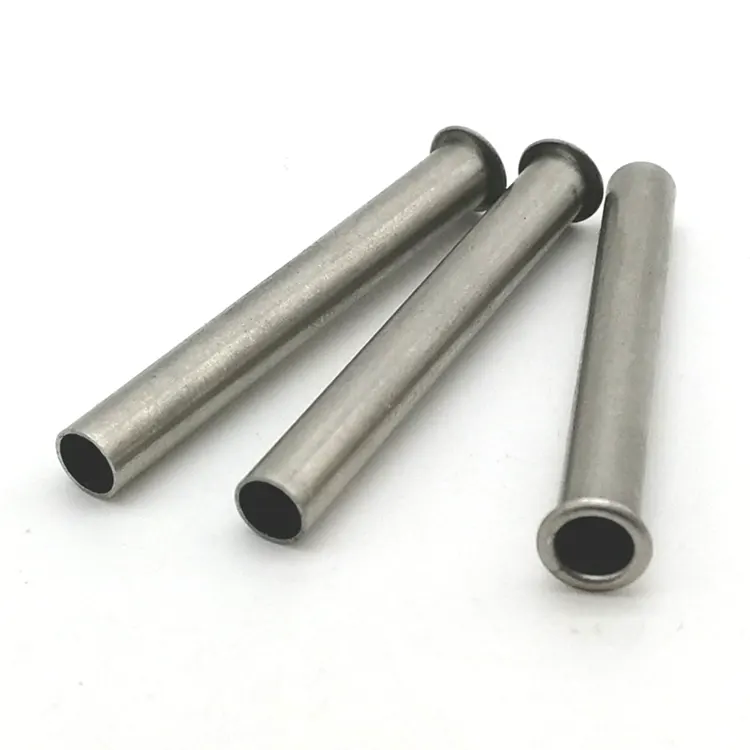
- View as
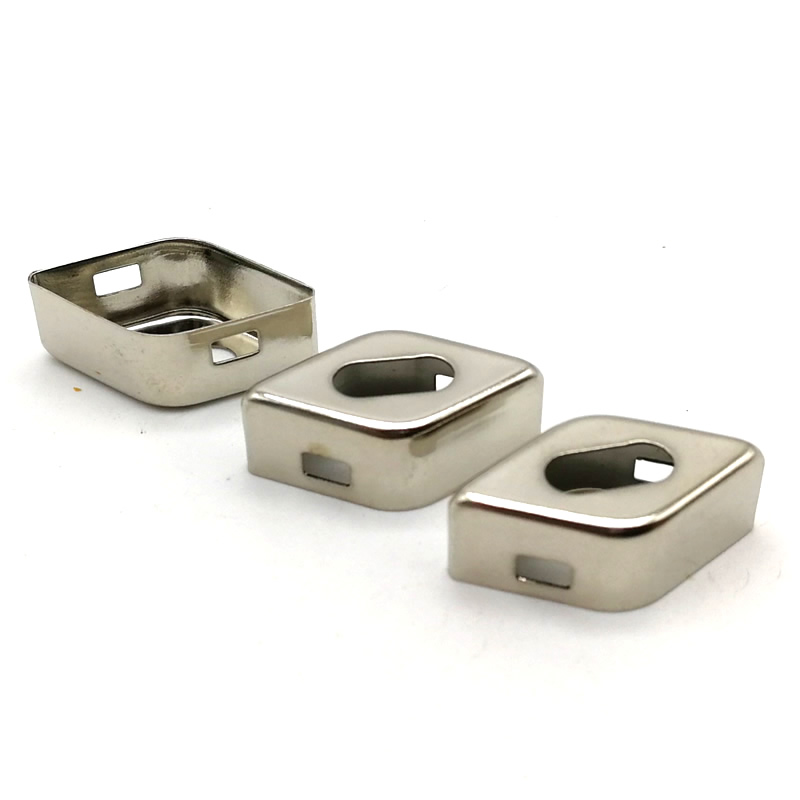
打ち抜き金属部品
Nuote Metals は中国の工場で、自動車、家電、エレクトロニクス、ハードウェアなどのさまざまな業界向けにカスタムのプレス金属部品を製造しています。高速プレスと精密金型を使用して、鋼、真鍮、アルミニウム、またはステンレス鋼を、厳しい公差を持つ複雑でバリのない部品に加工します。ブラケット、クリップ、端子、シャーシが必要な場合でも、当社のスタンピングプロセスは再現性とコスト効率を保証します。納期通りに納品される信頼性の高いコンポーネントにより、供給の不一致や寸法のドリフトを解決します。組立ラインのスムーズな稼働を維持する品質を当社にお任せください。
続きを読むお問い合わせを送信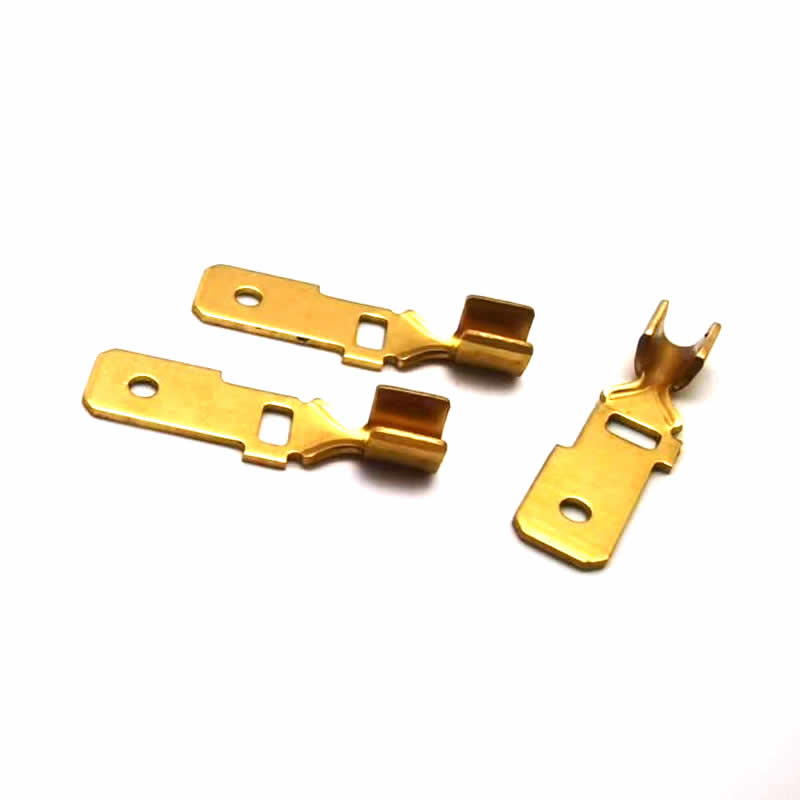
高精度金属プレス加工
ミクロンレベルの精度をお求めですか?中国の工場である Nuote Metals は、自動車、エレクトロニクス、医療機器の複雑なコンポーネント向けにカスタムの高精度金属スタンピングを提供しています。当社の高度なツールは、厳しい公差とバリのないエッジを保証し、再加工やスクラップを排除します。複雑な形状が必要な場合でも、大量の一貫性が必要な場合でも、当社のスタンピングプロセスは部品ごとに再現性を保証します。精密に設計された金属スタンピングにより、フィット感の悪さや早期摩耗を解決します。コストを削減し、信頼性を高める品質を信頼してください。
続きを読むお問い合わせを送信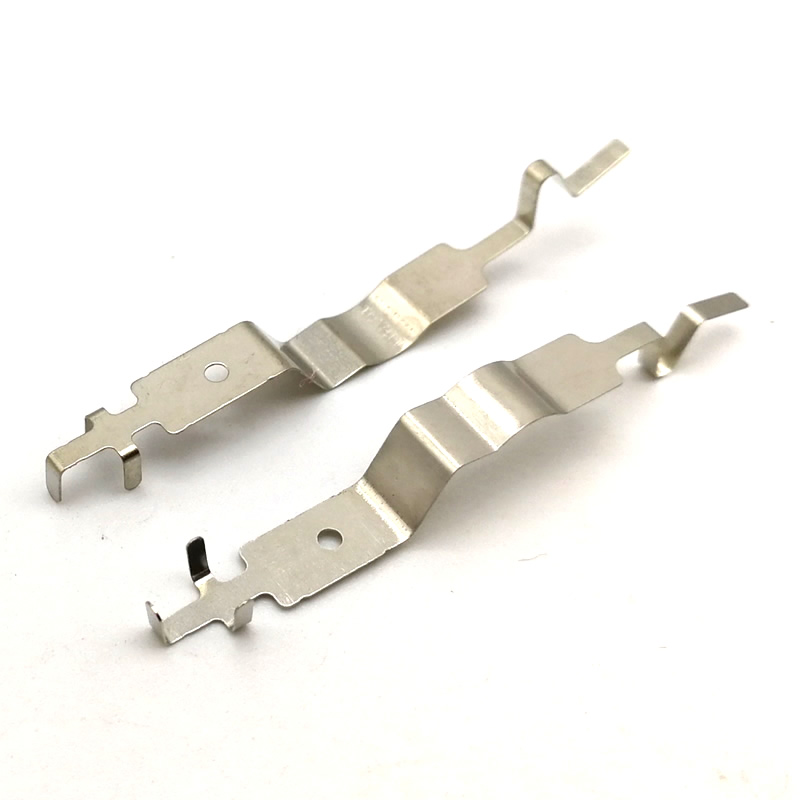
小型部品のプレス加工
中国の Nuote Metals メーカーは、電子機器や医療機器向けのカスタムスタンピング小型部品を提供しています。精密金型は、公差が厳しい小さなコンポーネントを作成します。小型化の課題を確実に解決します。細部に至るまで品質を保証するメーカーを信頼してください。
続きを読むお問い合わせを送信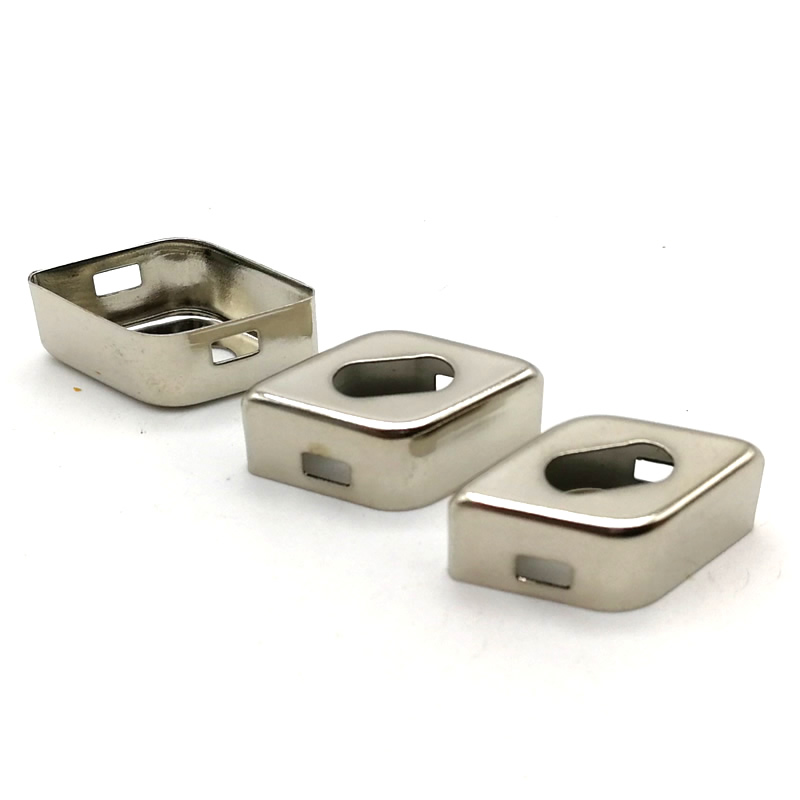
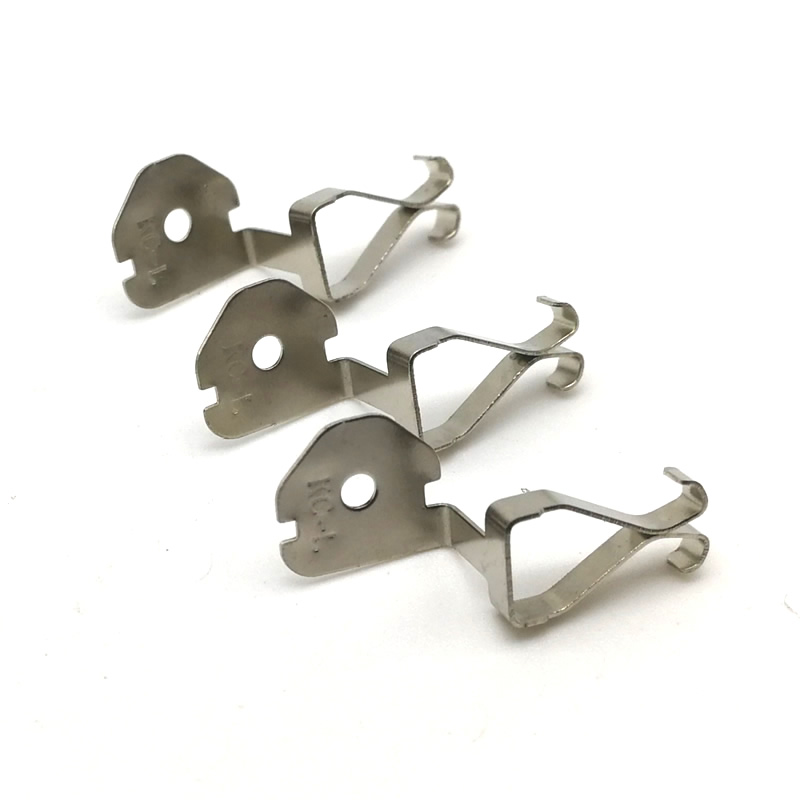
ステンレスプレス部品
耐久性のあるステンレス鋼のプレス部品をお探しですか?中国の工場である Nuote Metals は、自動車および医療機器向けのカスタム ソリューションを提供しています。当社の精密プレス加工により、防錆強度と正確なフィット感が実現します。長持ちするように作られた部品で腐食や摩耗の問題を解決します。工場の品質を信頼してください。
続きを読むお問い合わせを送信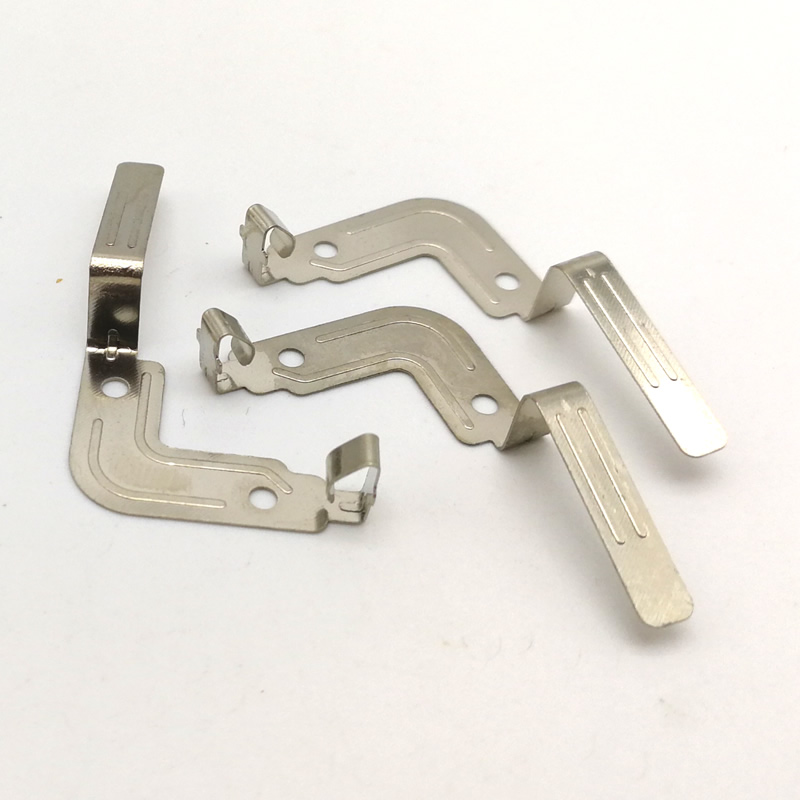
Some important factors to keep in mind:
Plasticity and Grain Direction – Plasticity is a measure of the permanent deformation a material undergoes when subjected to stress. Metals with greater plasticity are more susceptible to forming. Grain direction is important in high-strength materials, such as tempered metals and stainless steel. If bending occurs along a high-strength grain, cracking is more likely.
Bending Deformation/Expansion: Bending deformation causes expansion of up to 1/3 of the material thickness. This deformation/expansion becomes more severe as the material thickness increases and the bend radius decreases. Web and "mismatch" cutting: This involves making very slight indentations or protrusions in the part, typically about 0.1mm deep. This feature is not required when using composite or transfer tools, but it is essential when using progressive dies.
Advantages and Limitations of Stamping
Advantages:
- Low cost: In mass production, the cost per part can be reduced to one-third of that of a cast part;
- High consistency: Dimensional tolerances can be controlled within ±0.1mm;
- High material utilization: Through nesting optimization, the utilization rate can reach over 85%.
Limitations:
- Long mold development cycle and high initial investment, making it unsuitable for large-scale production;
- Complex three-dimensional structures (such as hollow crankshafts) require integration with other processes.
Core Application Areas of Stamping Parts
1. Automotive Industry: Accounts for over 60% of total stamping part demand, including body panels and chassis components;
2. Electronics and Electrical: For example, metal mobile phone frames and heat sinks, thicknesses can be as thin as 0.2mm;
3. Home Appliance Industry: Refrigerator panels, air conditioner housings, etc., where surface aesthetics can be enhanced through electroplating or spraying.



X
当社は Cookie を使用して、より良いブラウジング体験を提供し、サイトのトラフィックを分析し、コンテンツをパーソナライズします。このサイトを使用すると、Cookie の使用に同意したことになります。
プライバシーポリシー