部品のスタンピング
製品
- View as
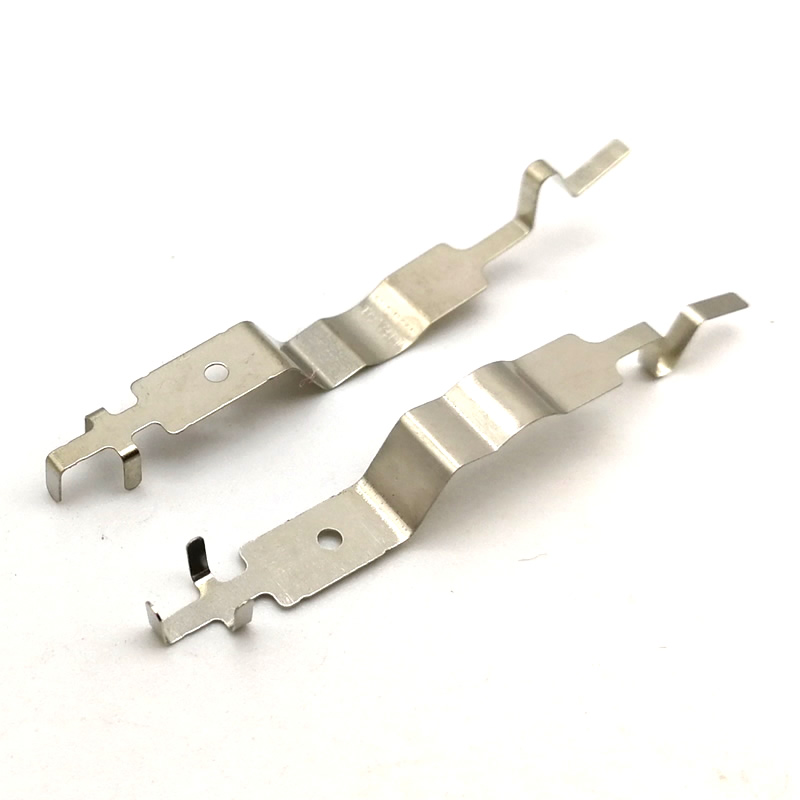
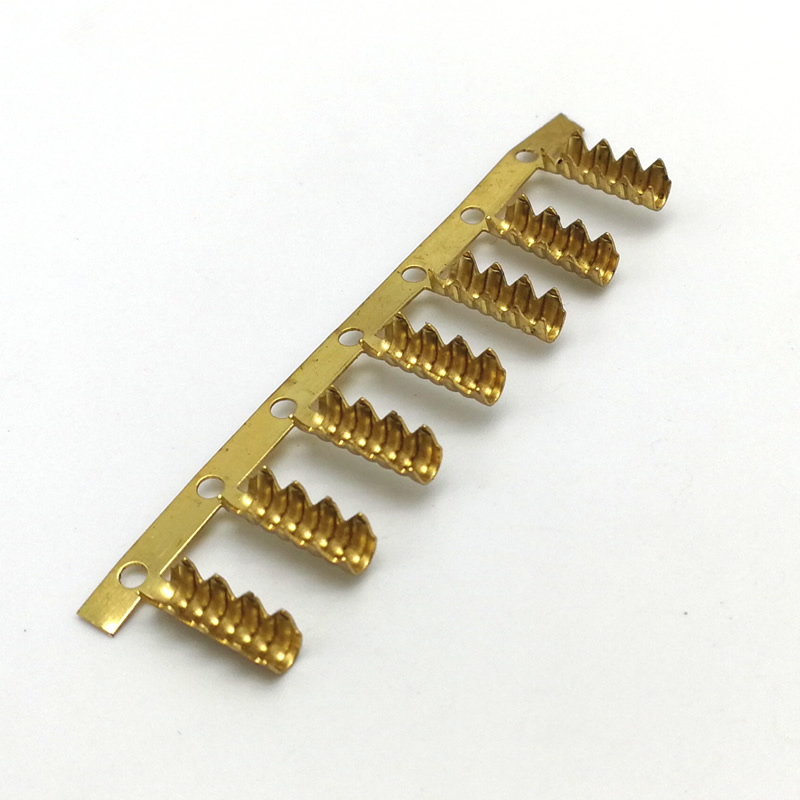
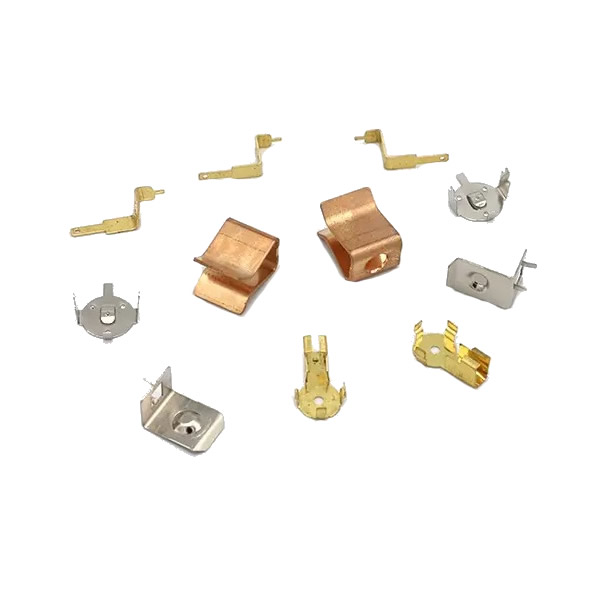
OEM金属スタンピング
OEM スタンピング部品は、図面に適合するかどうかによって判断されるのではなく、5 年目の生産がブランドが承認した最初の製品と一致するかどうかによって判断されます。 Nuote Metals は、仕様ロック、ECN 制御、コイルからカートンまでのトレーサビリティを備えた OEM 金属スタンピングを中国で提供しています。ブラケット、端子、クリップ、カバー。 PPAP と年次再資格取得が可能です。
続きを読むお問い合わせを送信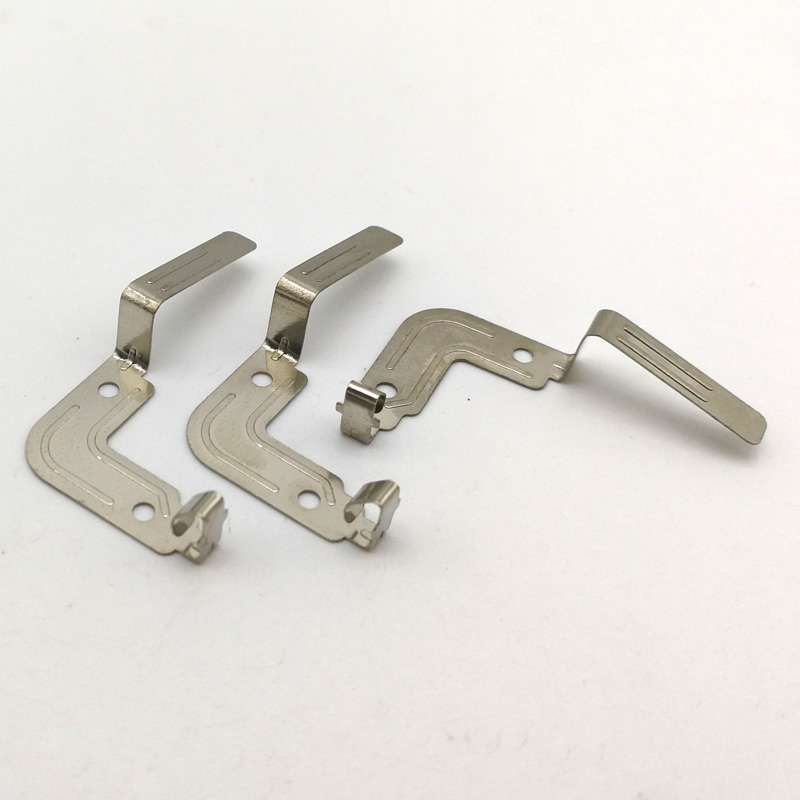
アルミニウム部品のプレス加工
アルミニウムは鋼よりも 2 ~ 3 倍跳ね返ります。鋼の 90 度の曲げを保持するダイは、アルミニウム フランジを 86 度に残します。 Nuote Metals は、実際の合金と焼き戻しで測定されたスプリングバックを使用して中国でアルミニウム部品をプレスし、測定された回復量によって金型を過剰に曲げ、曲げ角度と平坦度をインラインで検証します。 5052、6061、3003、および 1100。PPAP が文書化されています。
続きを読むお問い合わせを送信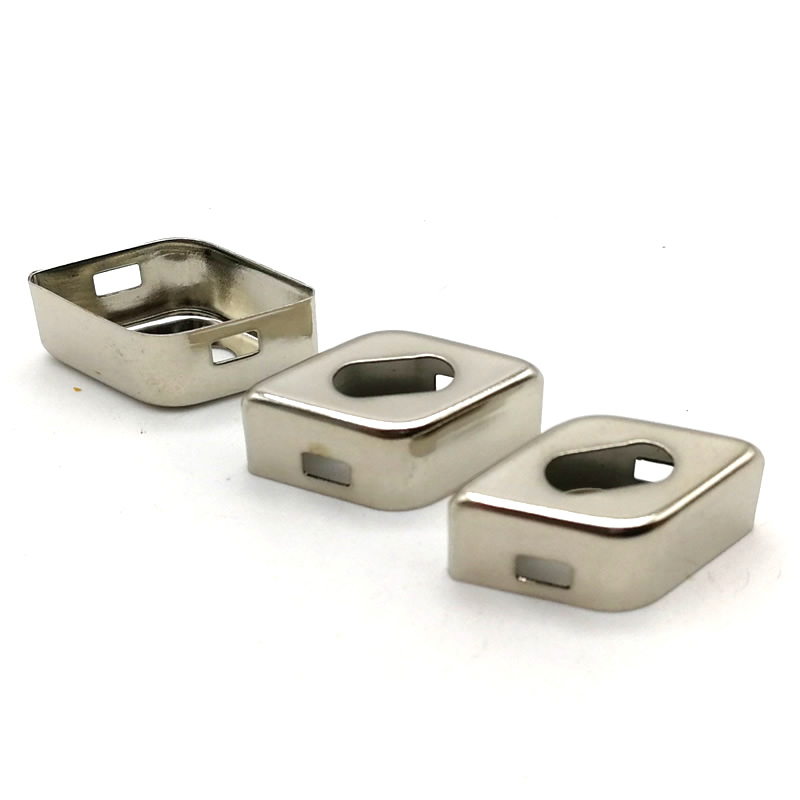
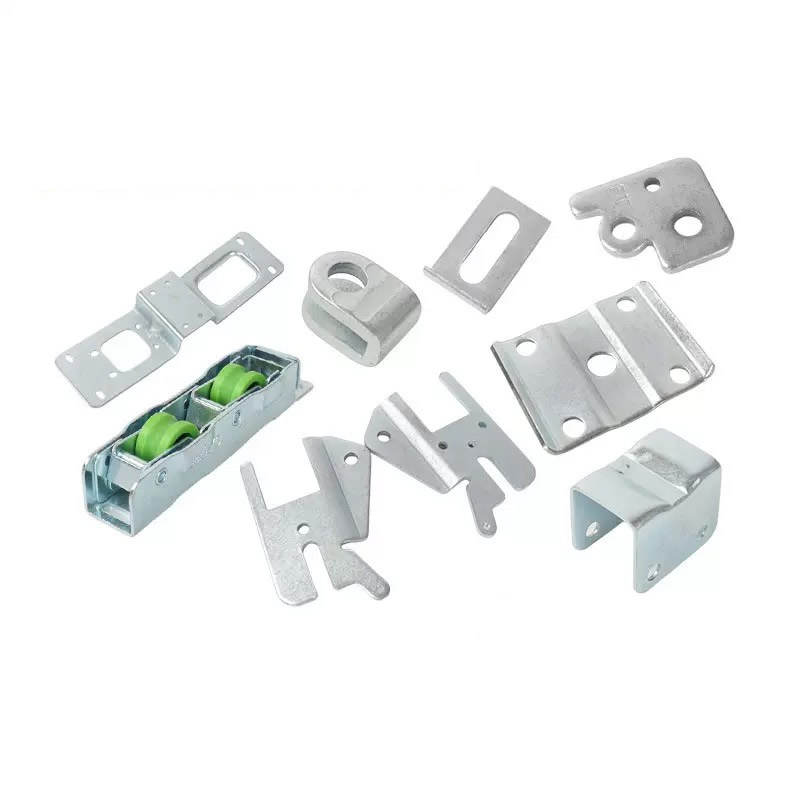
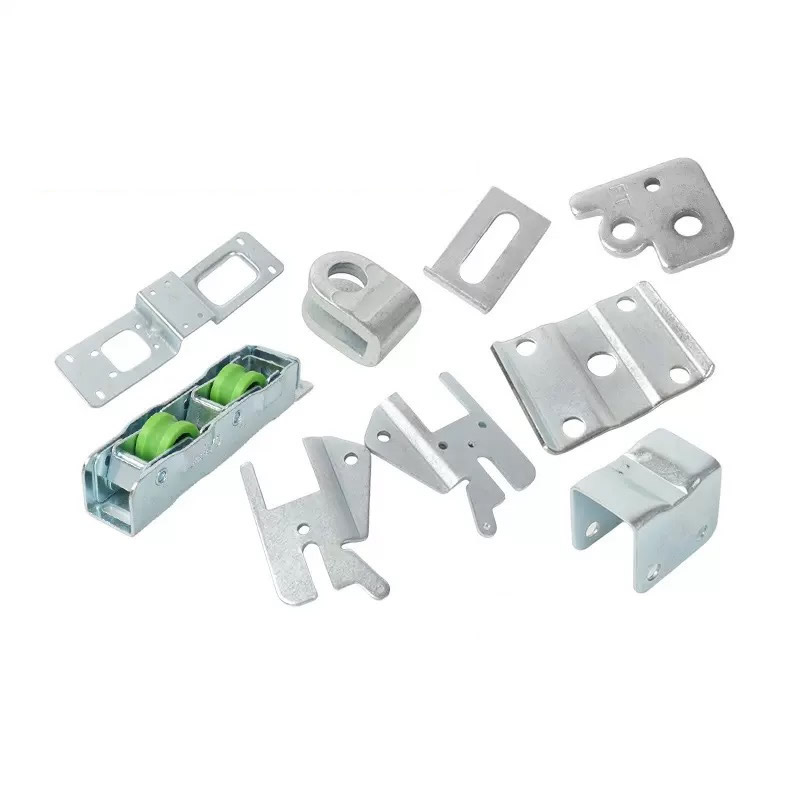
打ち抜きブラケット
私たちは東莞のNuote Metalsです。当店では毎日刻印金具を製作しております。打ち抜きブラケットは、物を固定するための L 字型または U 字型の金属片です。鋼板、アルミニウム板、場合によっては真鍮から打ち抜きます。刻印されたブラケットは強度があり、真っ直ぐである必要があります。ぴったりフィットするように正確な角度で曲げます。スタンプされたブラケットの各バッチは、適切な曲がりと穴の位置がチェックされます。信頼性の高い取り付け部品が必要な場合、お客様は当社の刻印ブラケットを注文します。最初にサンプルを作成して、お客様のニーズに合ったものであることを確認します。
続きを読むお問い合わせを送信Some important factors to keep in mind:
Plasticity and Grain Direction – Plasticity is a measure of the permanent deformation a material undergoes when subjected to stress. Metals with greater plasticity are more susceptible to forming. Grain direction is important in high-strength materials, such as tempered metals and stainless steel. If bending occurs along a high-strength grain, cracking is more likely.
Bending Deformation/Expansion: Bending deformation causes expansion of up to 1/3 of the material thickness. This deformation/expansion becomes more severe as the material thickness increases and the bend radius decreases. Web and "mismatch" cutting: This involves making very slight indentations or protrusions in the part, typically about 0.1mm deep. This feature is not required when using composite or transfer tools, but it is essential when using progressive dies.
Advantages and Limitations of Stamping
Advantages:
- Low cost: In mass production, the cost per part can be reduced to one-third of that of a cast part;
- High consistency: Dimensional tolerances can be controlled within ±0.1mm;
- High material utilization: Through nesting optimization, the utilization rate can reach over 85%.
Limitations:
- Long mold development cycle and high initial investment, making it unsuitable for large-scale production;
- Complex three-dimensional structures (such as hollow crankshafts) require integration with other processes.
Core Application Areas of Stamping Parts
1. Automotive Industry: Accounts for over 60% of total stamping part demand, including body panels and chassis components;
2. Electronics and Electrical: For example, metal mobile phone frames and heat sinks, thicknesses can be as thin as 0.2mm;
3. Home Appliance Industry: Refrigerator panels, air conditioner housings, etc., where surface aesthetics can be enhanced through electroplating or spraying.



X
当社は Cookie を使用して、より良いブラウジング体験を提供し、サイトのトラフィックを分析し、コンテンツをパーソナライズします。このサイトを使用すると、Cookie の使用に同意したことになります。
プライバシーポリシー