部品のスタンピング
製品
- View as
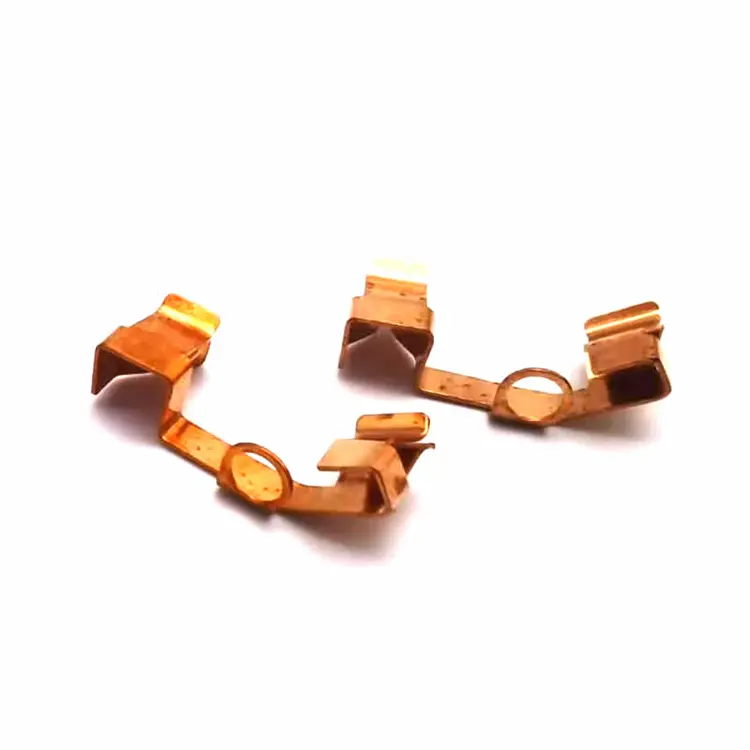
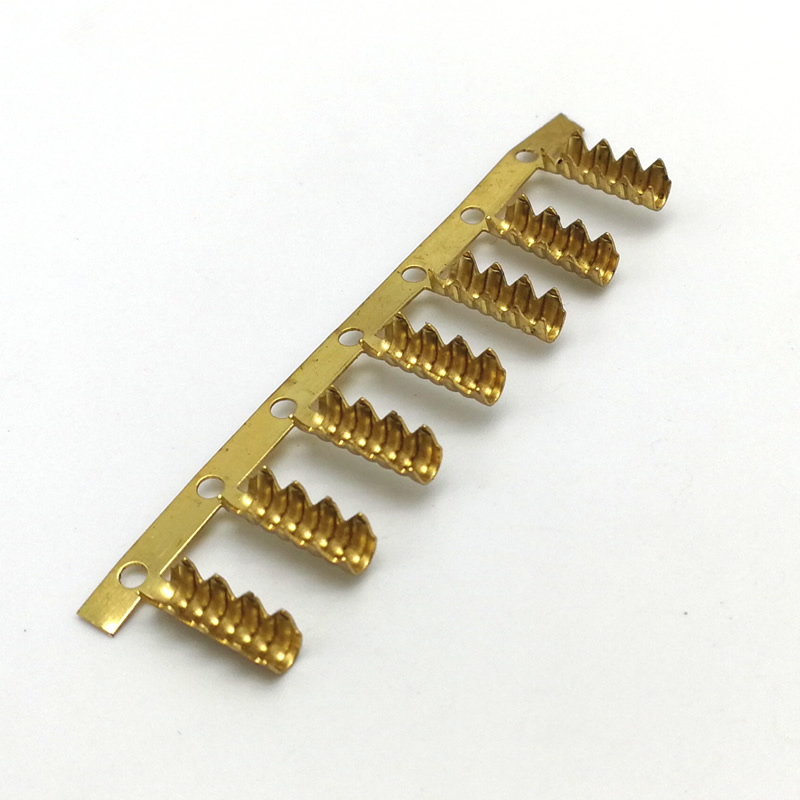
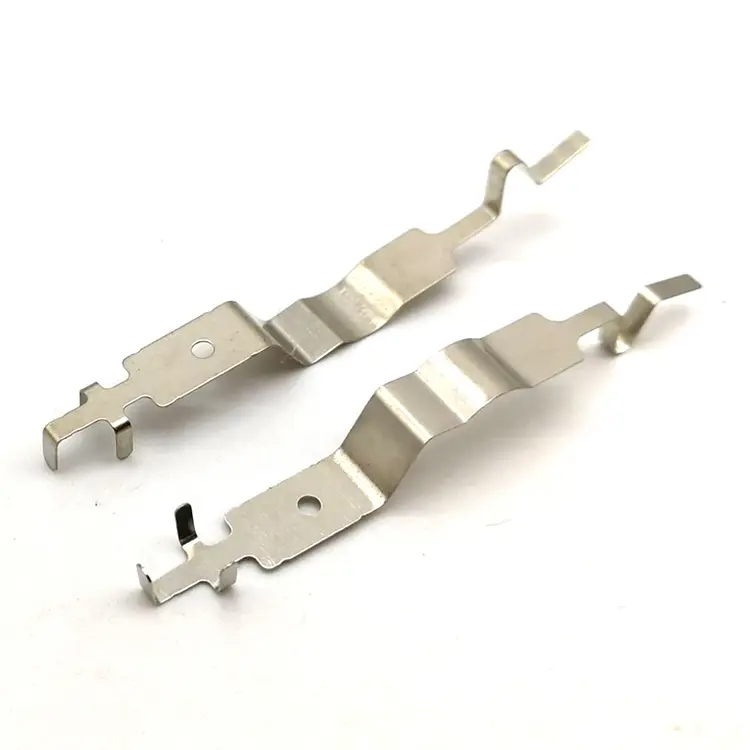
ソケット用プレス部品
ソケット用スタンピングパーツはプログレッシブメタルスタンピングパーツの大手メーカーで、スタンピングパーツはスイッチ、リレー、サーモスタット、コンタクター、断路器、コントローラー、タイマー、その他の低電圧機器に広く使用されています。
続きを読むお問い合わせを送信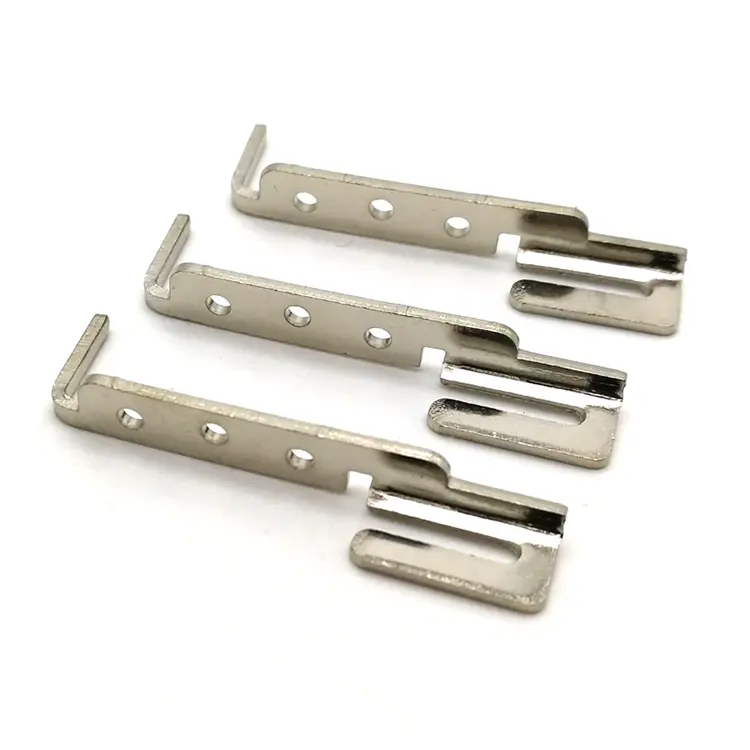
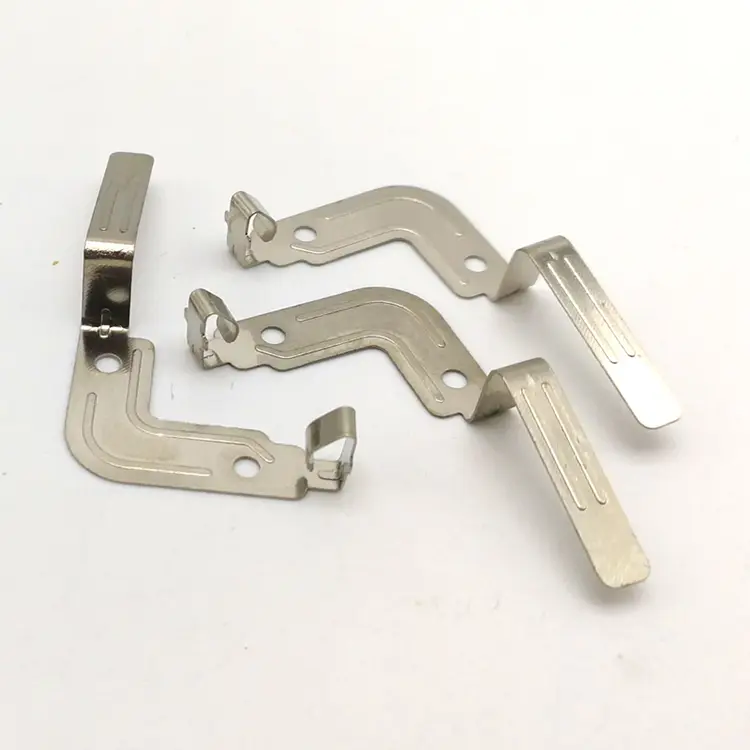
金属部品の精密プレス加工
精密スタンピング金属部品は、最初の製品に合格しても、バッチでは不合格となる場合があります。これは、最初の製品が 1 回測定され、バッチが 100 万回測定されるためです。違いはドリフトです。材料の硬度が変化し、工具が摩耗し、金型が加熱し、プレスが成長します。 Nuote Metals は、重要なフィーチャの SPC、ストローク数によって追跡される工具摩耗、および部品が公差から外れる前にプレスを停止するインダイ ゲージを使用して、中国で精密スタンピング金属部品を製造しています。 Cpk ≥1.33。
続きを読むお問い合わせを送信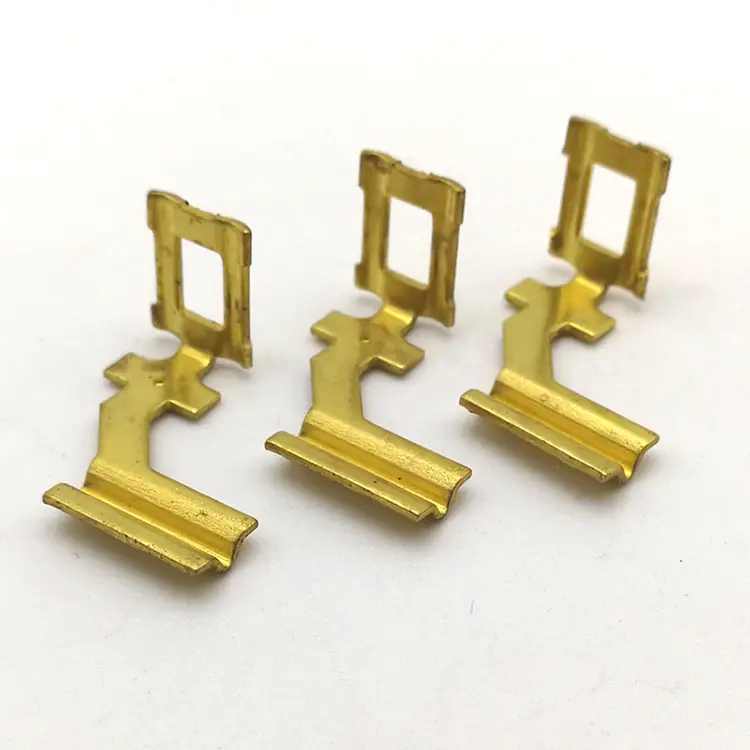
Some important factors to keep in mind:
Plasticity and Grain Direction – Plasticity is a measure of the permanent deformation a material undergoes when subjected to stress. Metals with greater plasticity are more susceptible to forming. Grain direction is important in high-strength materials, such as tempered metals and stainless steel. If bending occurs along a high-strength grain, cracking is more likely.
Bending Deformation/Expansion: Bending deformation causes expansion of up to 1/3 of the material thickness. This deformation/expansion becomes more severe as the material thickness increases and the bend radius decreases. Web and "mismatch" cutting: This involves making very slight indentations or protrusions in the part, typically about 0.1mm deep. This feature is not required when using composite or transfer tools, but it is essential when using progressive dies.
Advantages and Limitations of Stamping
Advantages:
- Low cost: In mass production, the cost per part can be reduced to one-third of that of a cast part;
- High consistency: Dimensional tolerances can be controlled within ±0.1mm;
- High material utilization: Through nesting optimization, the utilization rate can reach over 85%.
Limitations:
- Long mold development cycle and high initial investment, making it unsuitable for large-scale production;
- Complex three-dimensional structures (such as hollow crankshafts) require integration with other processes.
Core Application Areas of Stamping Parts
1. Automotive Industry: Accounts for over 60% of total stamping part demand, including body panels and chassis components;
2. Electronics and Electrical: For example, metal mobile phone frames and heat sinks, thicknesses can be as thin as 0.2mm;
3. Home Appliance Industry: Refrigerator panels, air conditioner housings, etc., where surface aesthetics can be enhanced through electroplating or spraying.



X
当社は Cookie を使用して、より良いブラウジング体験を提供し、サイトのトラフィックを分析し、コンテンツをパーソナライズします。このサイトを使用すると、Cookie の使用に同意したことになります。
プライバシーポリシー