One of Chinese manufacturer of Special Rivets, offering excellent quality at a competitive price, is Notin. Feel free to get in touch.
In the field of mechanical manufacturing and assembly, rivets are a common fastener used to professionally connect two or more parts. According to the degree of standardization, rivets can be divided into two categories: standard rivets and non-standard rivets. The size, shape and material of standard rivets are uniformly specified, while non-standard rivets are customized according to specific needs. The following will introduce the characteristics and applications of non-standard rivets from multiple aspects.
What are non-standard rivets?
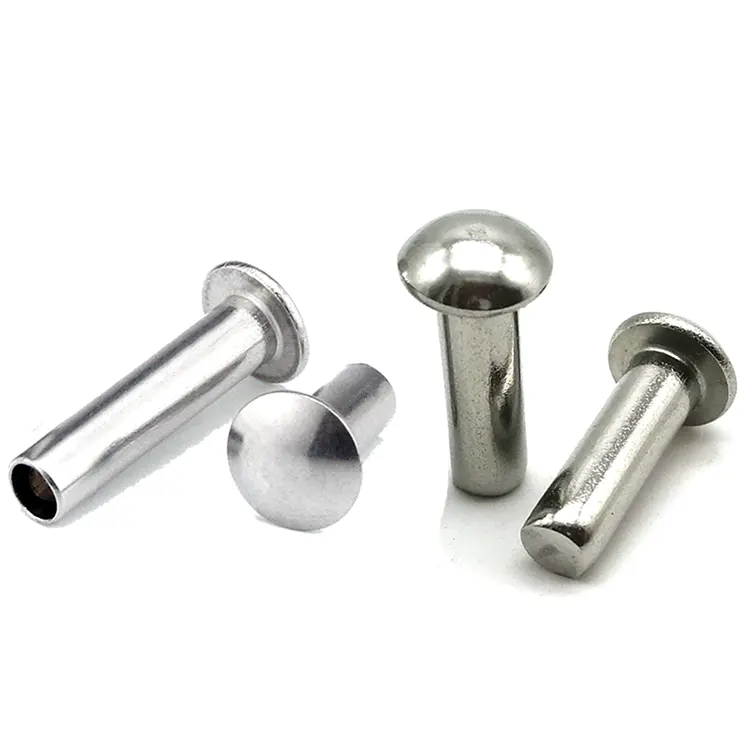
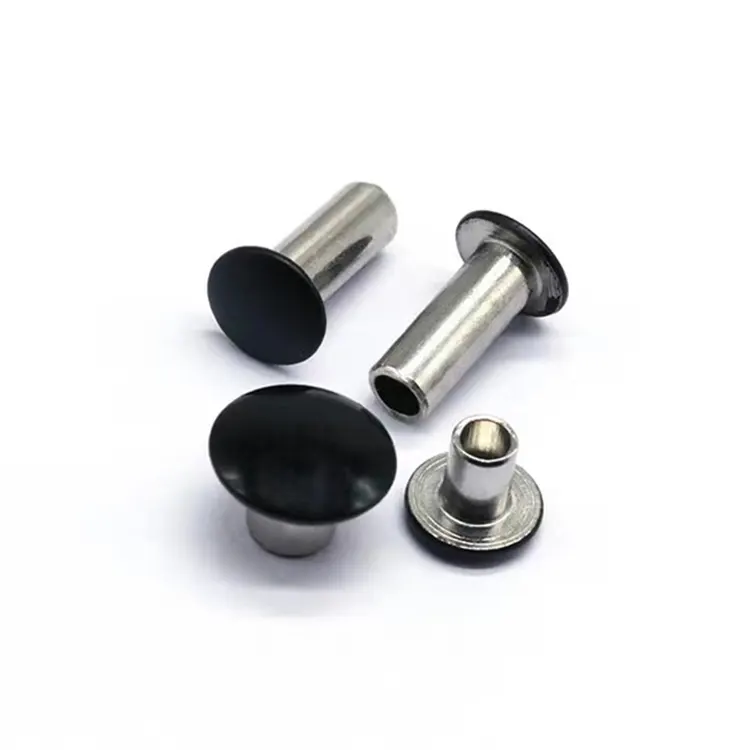
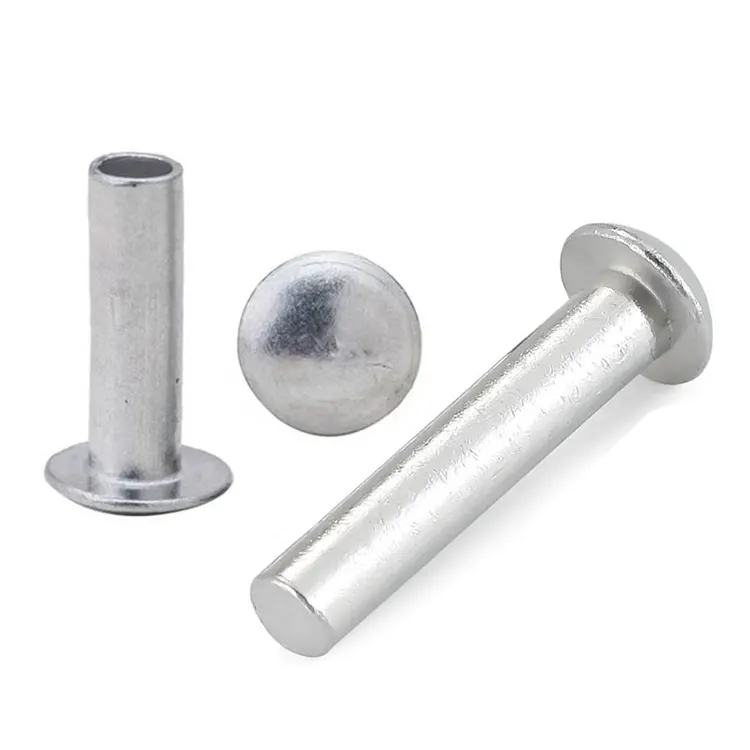
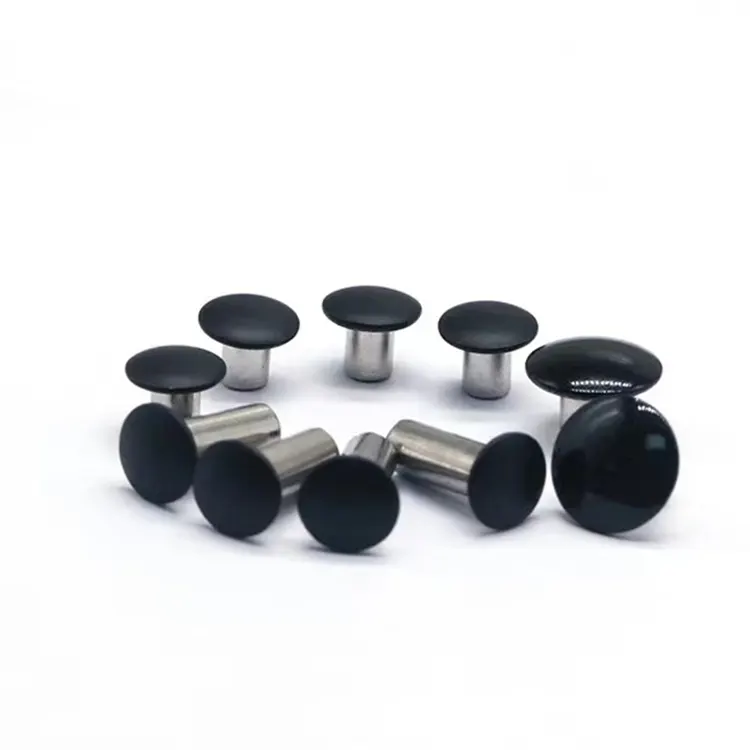
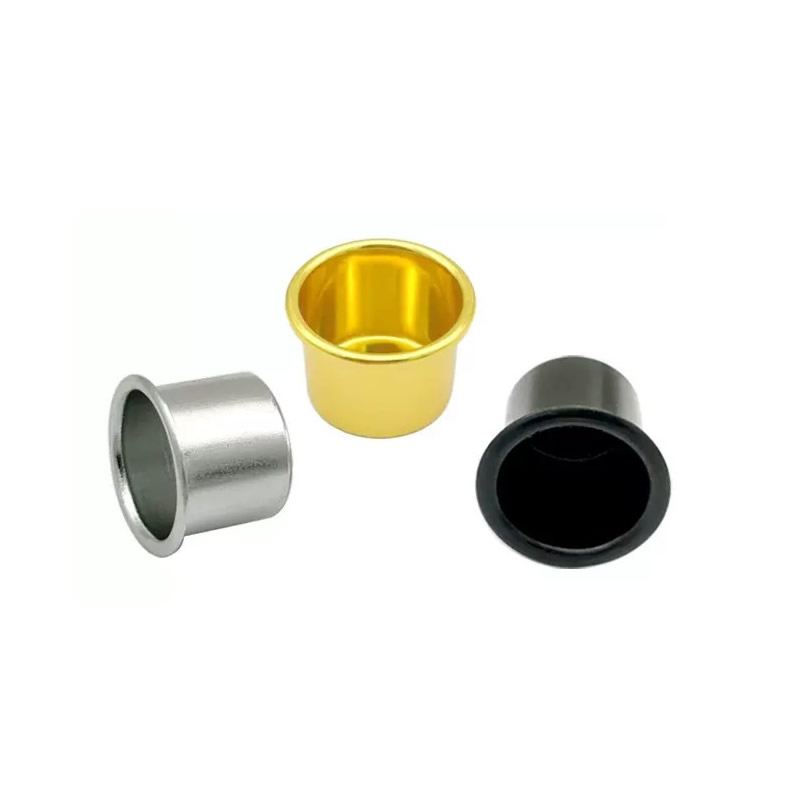
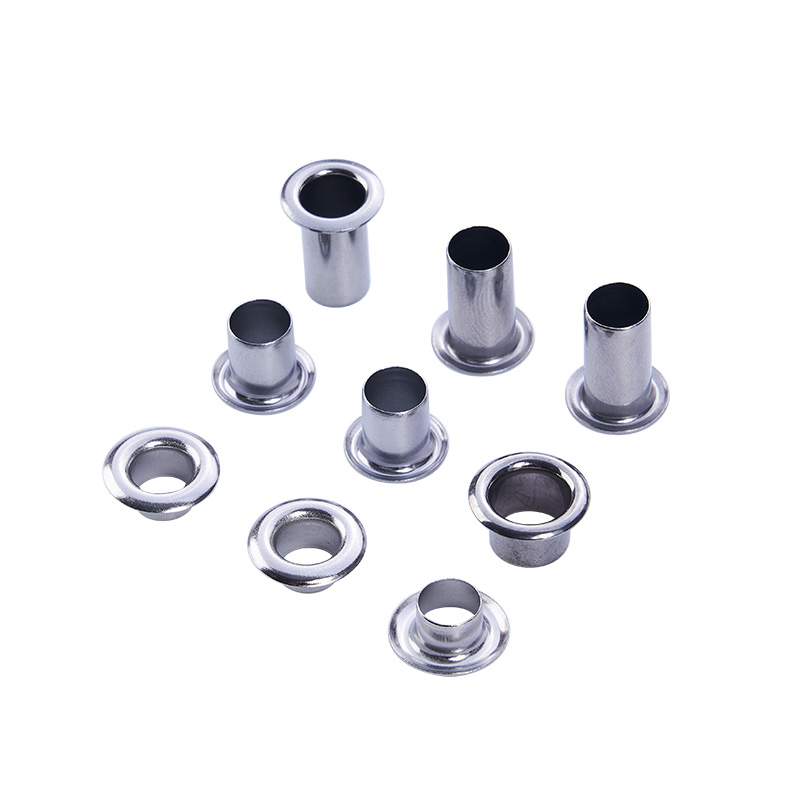
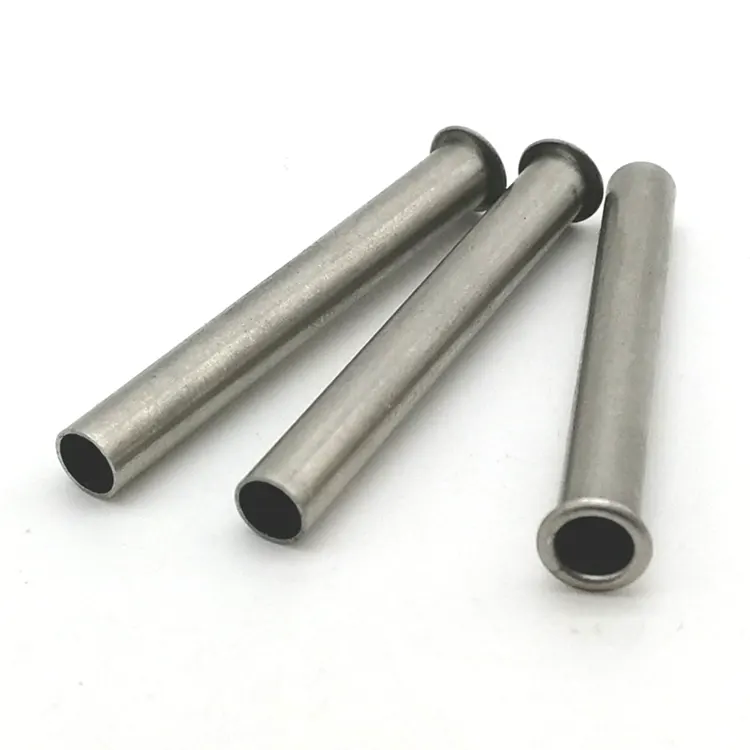
Non-standard rivets are also called special rivets. They refer to rivets that do not meet national standards or industry general standards. Their size, material, structure and other parameters are designed and manufactured according to the specific needs of customers. Due to the different connection requirements of different industries and equipment, standard rivets may not meet the requirements of certain special scenarios, so non-standard rivets came into being.
What are the characteristics of special rivets?
(1) Strong customization: Non-standard rivets can be personalized according to factors such as the use environment, stress conditions, and assembly methods to ensure that they perform well in actual applications.
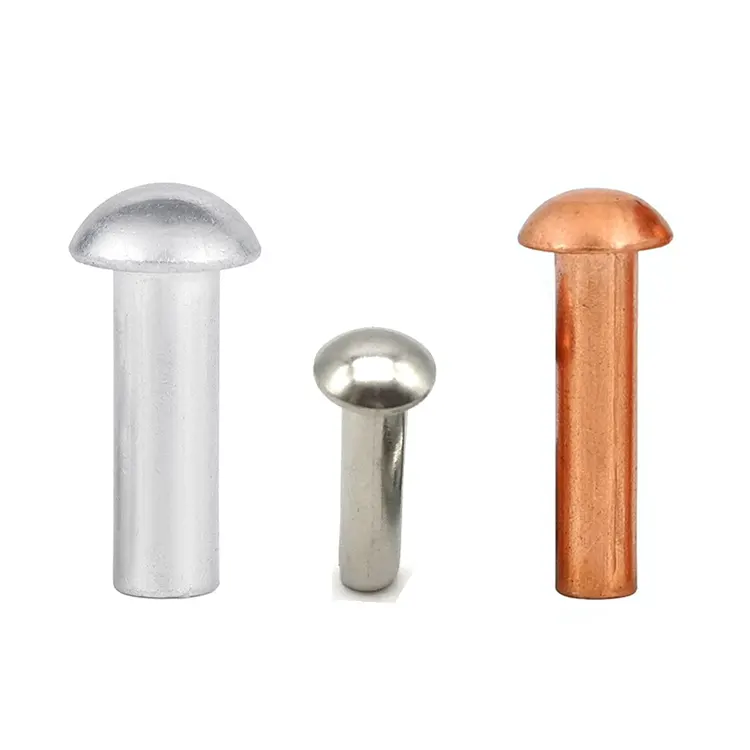
(2) Diverse materials: In addition to common carbon steel and stainless steel, non-standard rivets can also be made of special materials such as aluminum alloy, copper alloy, titanium alloy, etc. to meet different corrosion resistance, strength and weight requirements.
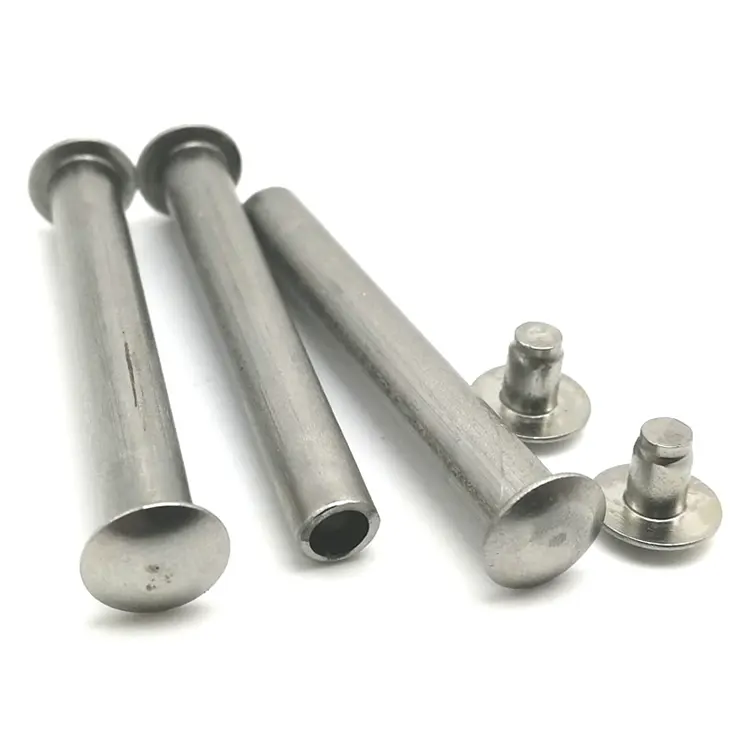
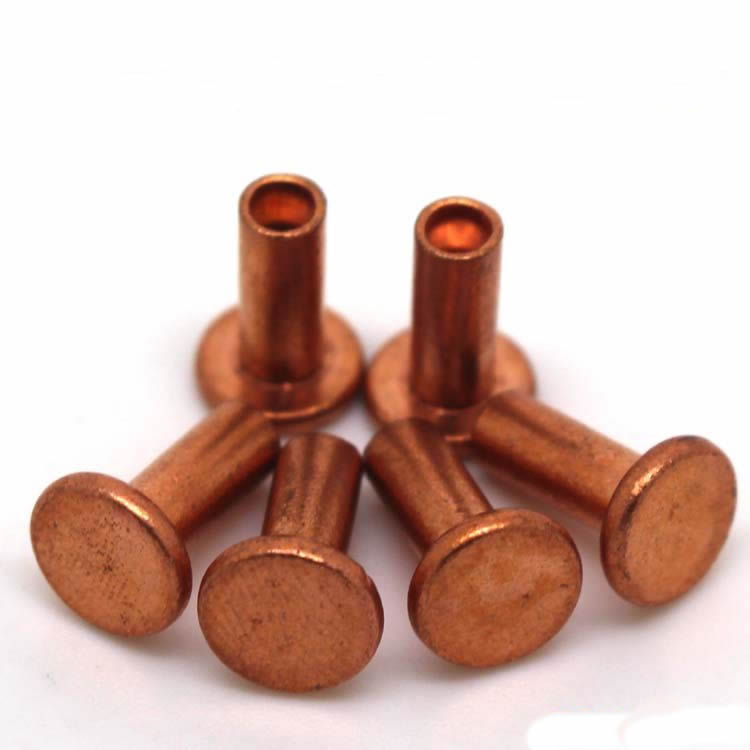
(3) Flexible structure: The structure of non-standard rivets can be adjusted according to needs, such as head shape, stem diameter, length, etc., and can even be designed to be hollow, semi-hollow or other special shapes.
マッシュルームヘッドリベットの名前は、その外観と構造上の特徴に由来しています。リベットの一端はキノコ型で比較的幅が広く、圧縮面と美的効果が向上します。半管状のマッシュルームヘッドリベットは、もう一方の端が半中空のデザインになっています。取り付けの際、特殊なツールを使用して中空部分を拡張し、確実な接続を形成します。この設計により、リベットは取り付け後にさまざまな材料の厚さに適応することができ、同時に、きれいで美しい接合部を維持できます。ソリッドキノコ頭リベットも利用できます。これはネジリベットで尾端にキノコ型の頭を形成し、見た目が美しく安全な接続を実現します。
続きを読むお問い合わせを送信Nuote Metals は中国のオスメスリベットの専門メーカーです。オスメスリベットの利点は、取り付けが簡単で低コストであることです。溶接や接着などの他の接続方法と比較して、オスメスリベットは特殊な技術や長い硬化時間を必要としません。ただし、欠点も大きく、接続強度が限られているため、高強度または高振動の環境には適していません。長期間使用すると緩む場合がありますので定期的な点検が必要です。
続きを読むお問い合わせを送信What are the characteristics of special rivets?
(1) Strong customization: Non-standard rivets can be personalized according to factors such as the use environment, stress conditions, and assembly methods to ensure that they perform well in actual applications.
(2) Diverse materials: In addition to common carbon steel and stainless steel, non-standard rivets can also be made of special materials such as aluminum alloy, copper alloy, titanium alloy, etc. to meet different corrosion resistance, strength and weight requirements.
(3) Flexible structure: The structure of non-standard rivets can be adjusted according to needs, such as head shape, stem diameter, length, etc., and can even be designed to be hollow, semi-hollow or other special shapes.
Manufacturing process of special rivets
The manufacturing of non-standard rivets involves multiple links, mainly including:
1.Material selection: Select suitable metal or alloy materials according to the use environment. 2. 2.Cold heading or hot heading: Use pressure processing to form the basic shape of the rivet into the metal blank.
3.Turning or milling: Fine-process the details such as the head and stem of the rivet to ensure dimensional accuracy.
4.Surface treatment: Such as galvanizing, nickel plating, anodizing, etc. to improve corrosion resistance or aesthetics.
Advantages and limitations of special rivets
(1) Advantages: They can meet special needs, improve assembly efficiency and connection reliability, and are suitable for complex or high-demand application scenarios.
(2) Limitations: Since they are customized products, the production cost is high, the delivery cycle is relatively long, and customers are required to provide detailed technical parameters.
How to choose suitable special rivets?
(1) Clarify the needs: Determine the key parameters such as the rivet's operating environment, stress conditions, and corrosion resistance requirements.
(2) Material matching: Select the appropriate material based on actual needs to avoid over-design that leads to increased costs.
(3) Communicate with suppliers: Provide detailed technical drawings or samples to ensure that the non-standard rivets produced meet expectations.
What are the main applications of special rivets?
(1) Aerospace: Aircraft, rockets and other equipment have extremely high requirements for the weight, strength and high-temperature resistance of fasteners. Non-standard rivets can be optimized according to specific needs.
(2) Automobile manufacturing: Certain special models or high-performance vehicles may require non-standard rivets to meet the needs of lightweight or high-strength connections.
(3) Electronic equipment: Precision instruments or small electronic equipment may require micro non-standard rivets to ensure the stability and compactness of the connection.
(4) Construction industry: Some special-structured buildings or decoration projects may use non-standard rivets to meet specific installation requirements.
Market status of special rivets
With the advancement of industrial technology, more and more industries have begun to use non-standard rivets to optimize product design. At present, non-standard rivet manufacturers are mainly concentrated in the Yangtze River Delta and Pearl River Delta regions in China, and can provide a variety of customized services. Due to the high unit price of non-standard rivets, its market size is relatively small, but the demand in the high-end manufacturing field continues to grow.
Future development trends
(1) Lightweight design: With the improvement of energy-saving and environmental protection requirements, non-standard rivets made of lightweight materials will be more popular.
(2) Intelligent production: Automated equipment and digital management will further improve the production efficiency and quality stability of non-standard rivets.
(3) Wider application: Emerging industries such as new energy and robotics may drive the growth of demand for non-standard rivets.
In summary, special rivets are highly customized fasteners that can meet special needs that standard rivets cannot meet. Although its production cost is relatively high, it plays an irreplaceable role in industries such as aerospace, automobiles, and electronics. In the future, with the advancement of manufacturing technology, the application scope of non-standard rivets is expected to further expand.