部品のスタンピング
製品
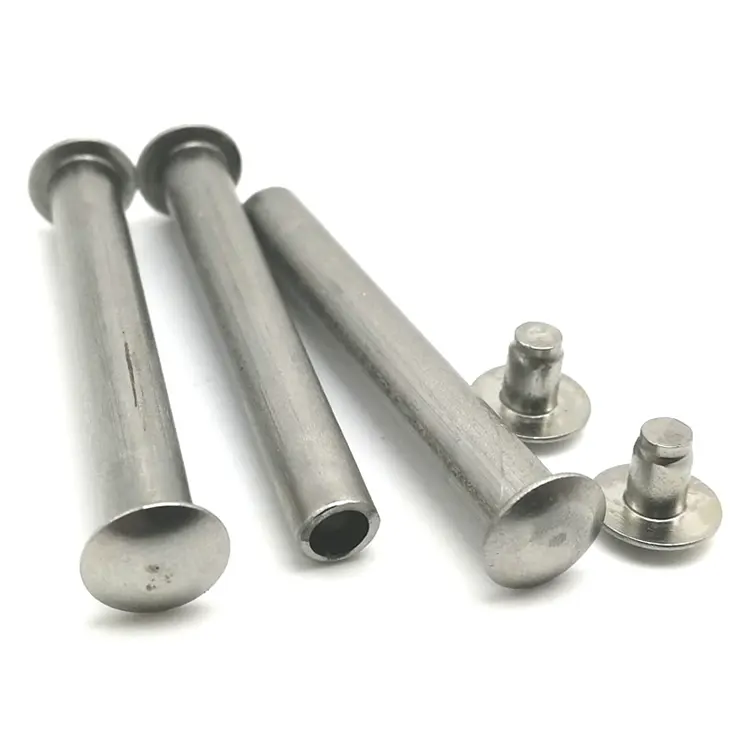
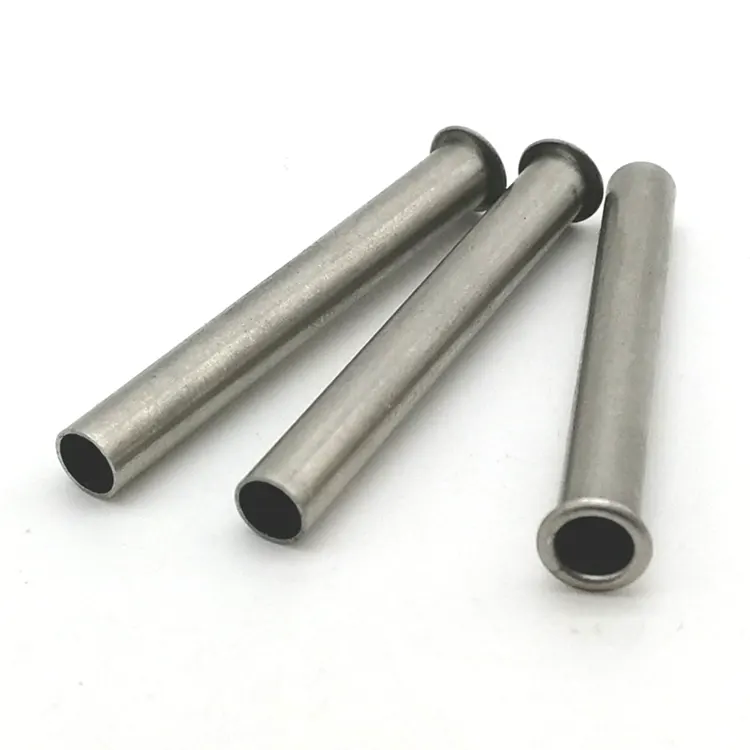
- View as
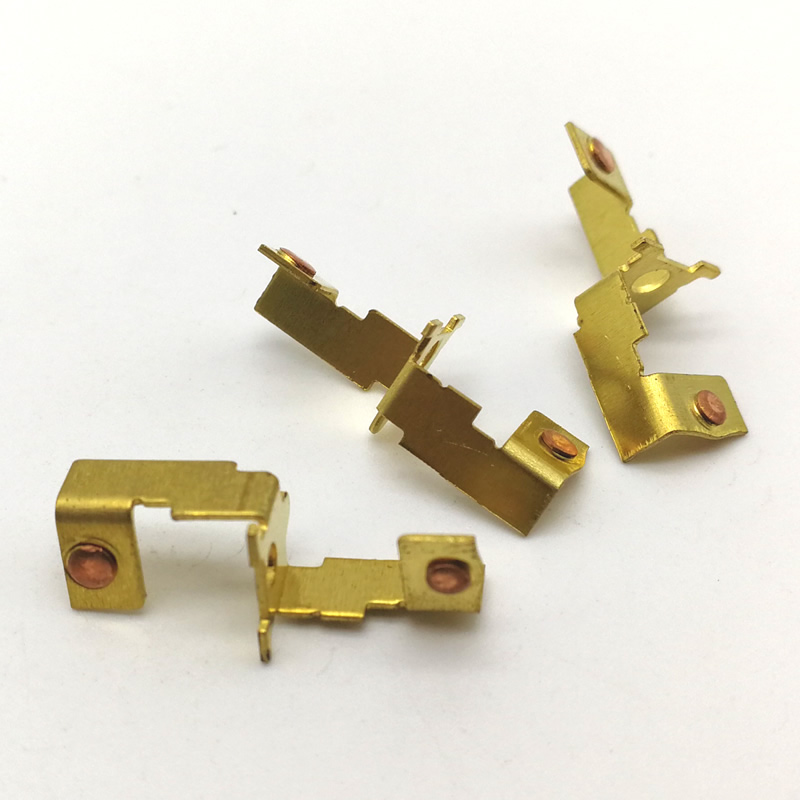
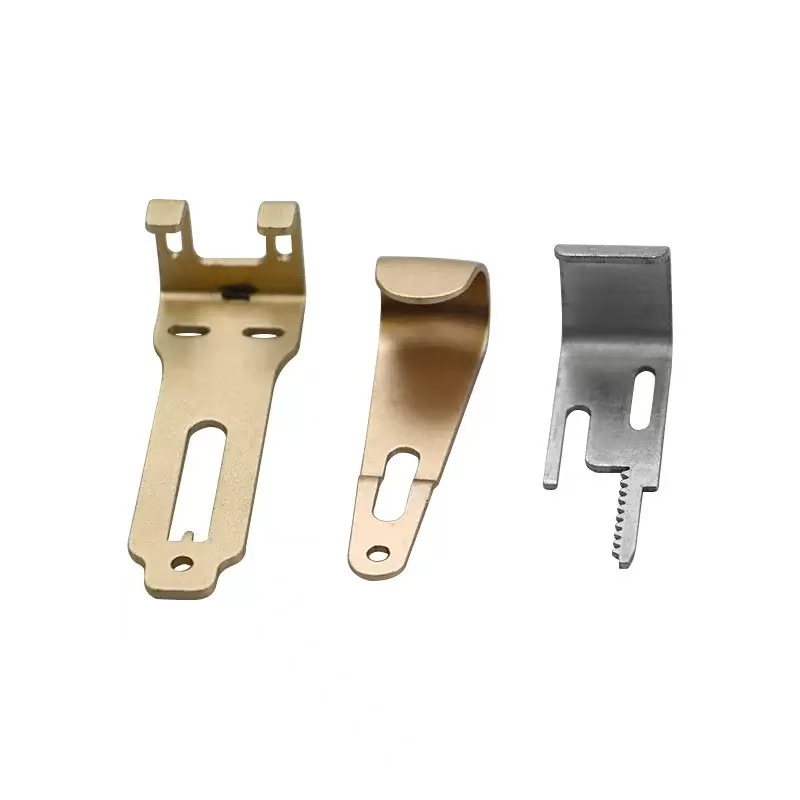
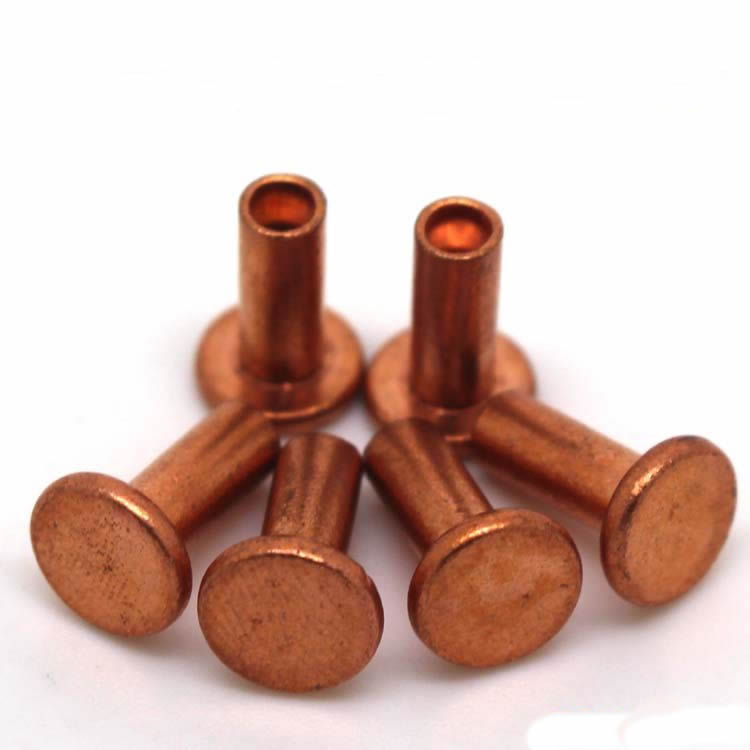
小物部品の金属プレス加工
私たちは東莞でNuote Metalsというショップを経営しています。ここでは毎日、小さな部品の金属プレス加工を行っています。これらは小さな金属片です - 小さなクリップ、小さなブラケット、小さな接点などです。小さな部品の金属プレス加工には、部品が非常に小さいため、優れた工具が必要です。ほんの小さな間違いでも、正しく機能しなくなることを意味します。用途に応じて鋼、真鍮、銅、アルミニウムを使用します。小さな部品の金属スタンピングの各バッチは、明るい光の下でチェックされます。当社の品質チームがすべての商品をチェックします。お客様は、すべてが同じである多数の小さな部品が必要な場合に、当社の小さな部品の金属プレスを注文します。まずはサンプルを作ってテストしてもらいます。
続きを読むお問い合わせを送信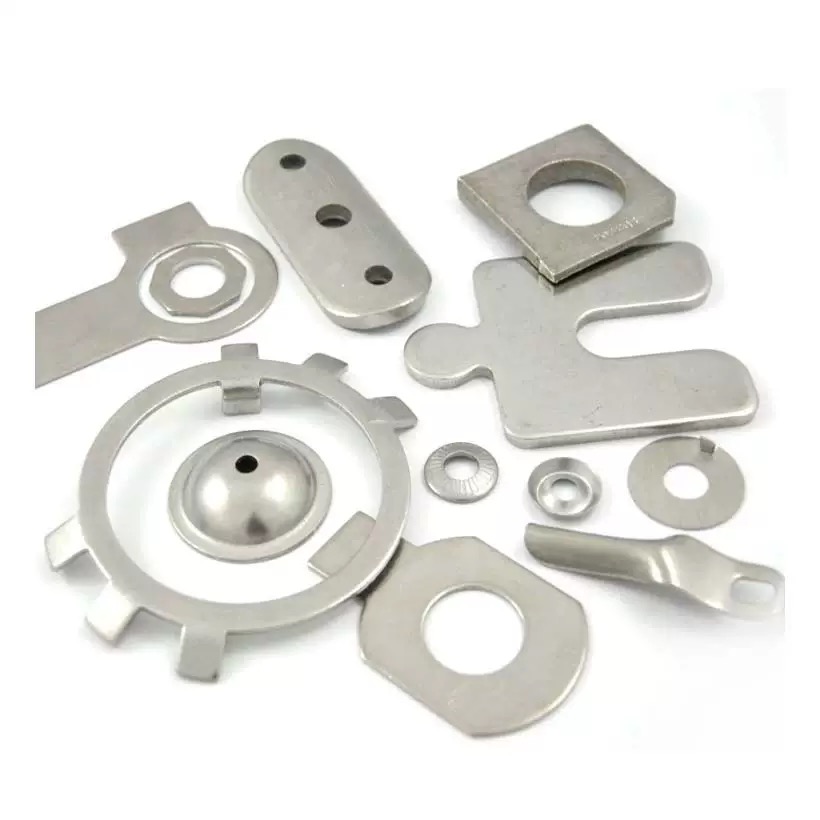
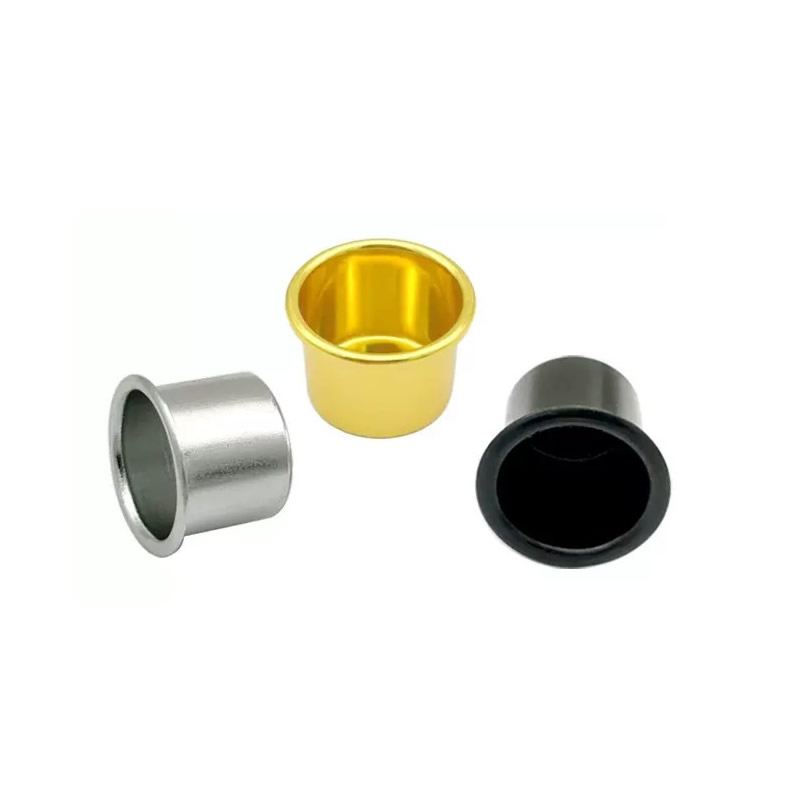
ステンレス鋼部品のプレス加工
Nuote Metals は中国の東莞でステンレス鋼のプレス部品を製造しています。ステンレスは丈夫で錆びないので、耐久性が必要な部品に最適です。これらの部品をプレス機を使用してステンレス鋼板から打ち抜きます。ステンレス鋼部品のスタンピングには、小さなブラケット、クリップ、または曲がりや穴のある大きな部品が含まれます。スタンピングステンレス鋼部品の各バッチは、当社の品質チームによって検査されます。端を見て寸法を測ります。お客様は、厳しい条件下でも耐えられる金属部品が必要な場合、当社のスタンピングステンレス鋼部品を注文します。まずはサンプルを作ってテストしてもらいます。
続きを読むお問い合わせを送信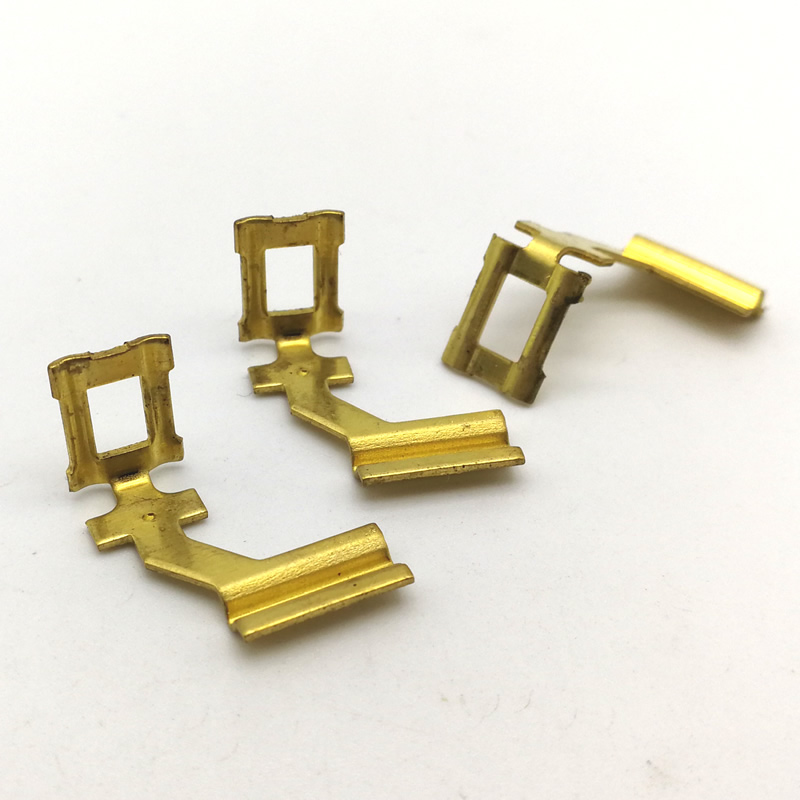
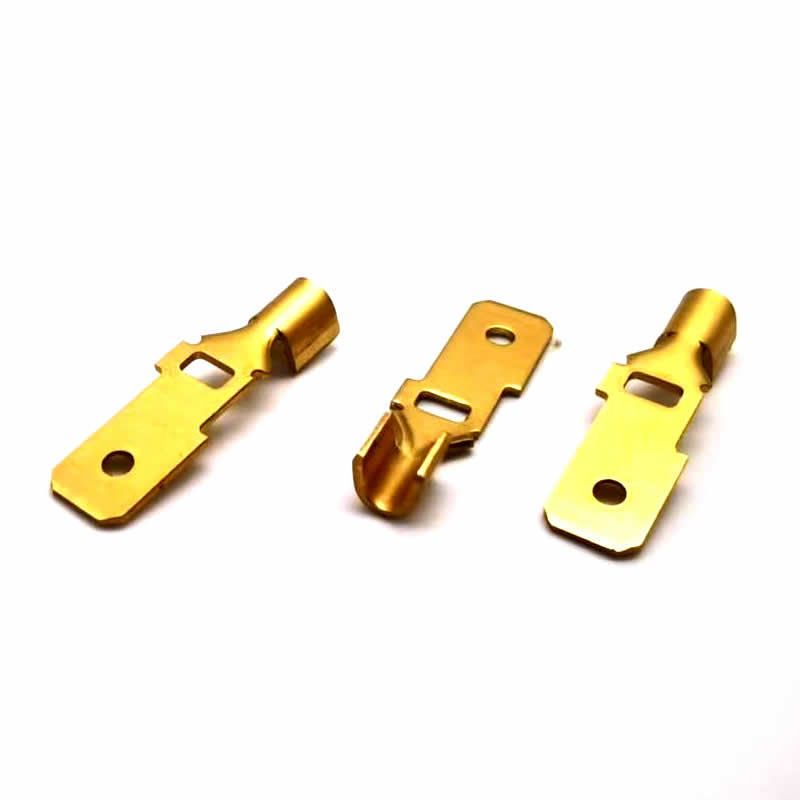
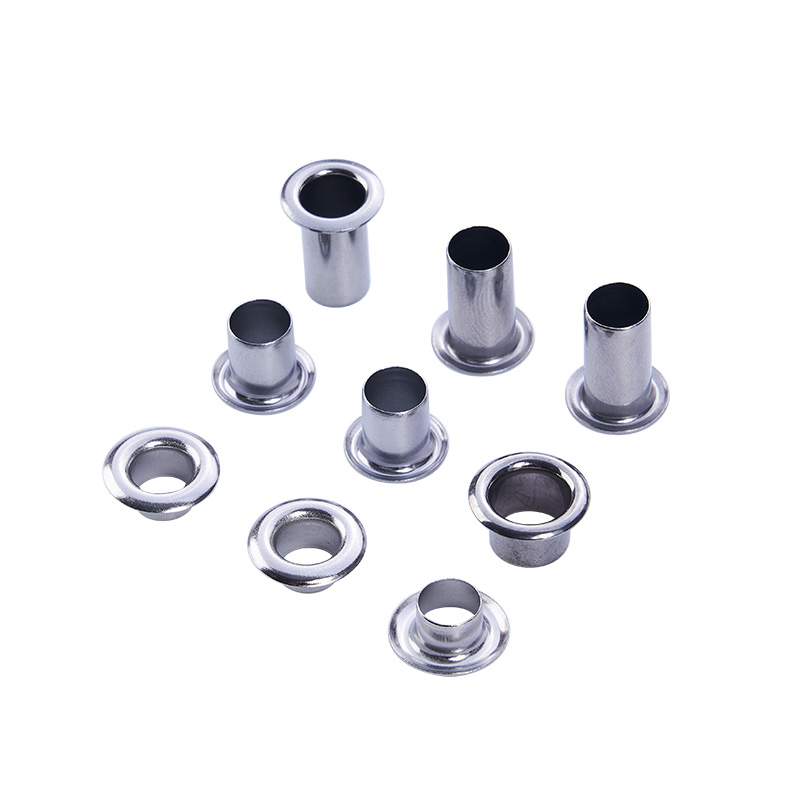
OEM金属プレス部品
Nuote Metals は、カスタム金属部品を必要とする企業向けに OEM 金属プレス部品を製造しています。 OEM とは相手先商標製品製造業者を意味し、他のブランドの完成品に組み込まれる部品を製造します。 OEM 金属プレス部品は、顧客の図面と仕様に従って正確に製造されます。私たちは鋼、アルミニウム、真鍮、ステンレス鋼を扱います。 OEM 金属プレス部品の各注文は、元の設計と照合してチェックされます。私たちのチームはすべてのバッチを測定および検査します。企業が OEM 金属プレス部品として当社を選んでいるのは、当社が企業の要件に厳密に準拠しているためです。最初にサンプルを提供して、フィット感と機能を承認してもらいます。
続きを読むお問い合わせを送信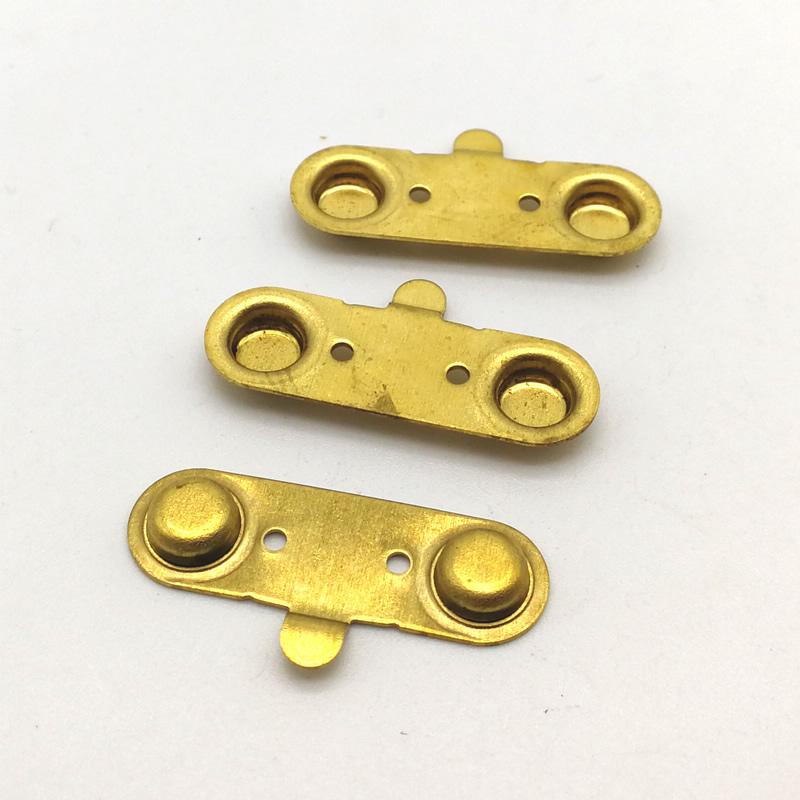
Some important factors to keep in mind:
Plasticity and Grain Direction – Plasticity is a measure of the permanent deformation a material undergoes when subjected to stress. Metals with greater plasticity are more susceptible to forming. Grain direction is important in high-strength materials, such as tempered metals and stainless steel. If bending occurs along a high-strength grain, cracking is more likely.
Bending Deformation/Expansion: Bending deformation causes expansion of up to 1/3 of the material thickness. This deformation/expansion becomes more severe as the material thickness increases and the bend radius decreases. Web and "mismatch" cutting: This involves making very slight indentations or protrusions in the part, typically about 0.1mm deep. This feature is not required when using composite or transfer tools, but it is essential when using progressive dies.
Advantages and Limitations of Stamping
Advantages:
- Low cost: In mass production, the cost per part can be reduced to one-third of that of a cast part;
- High consistency: Dimensional tolerances can be controlled within ±0.1mm;
- High material utilization: Through nesting optimization, the utilization rate can reach over 85%.
Limitations:
- Long mold development cycle and high initial investment, making it unsuitable for large-scale production;
- Complex three-dimensional structures (such as hollow crankshafts) require integration with other processes.
Core Application Areas of Stamping Parts
1. Automotive Industry: Accounts for over 60% of total stamping part demand, including body panels and chassis components;
2. Electronics and Electrical: For example, metal mobile phone frames and heat sinks, thicknesses can be as thin as 0.2mm;
3. Home Appliance Industry: Refrigerator panels, air conditioner housings, etc., where surface aesthetics can be enhanced through electroplating or spraying.



X
当社は Cookie を使用して、より良いブラウジング体験を提供し、サイトのトラフィックを分析し、コンテンツをパーソナライズします。このサイトを使用すると、Cookie の使用に同意したことになります。
プライバシーポリシー