リベット

As one of professional manufacturer in China, Notin would like to provide you Rivets. And we will offer you the best after-sale service and timely delivery.


What is a rivet?

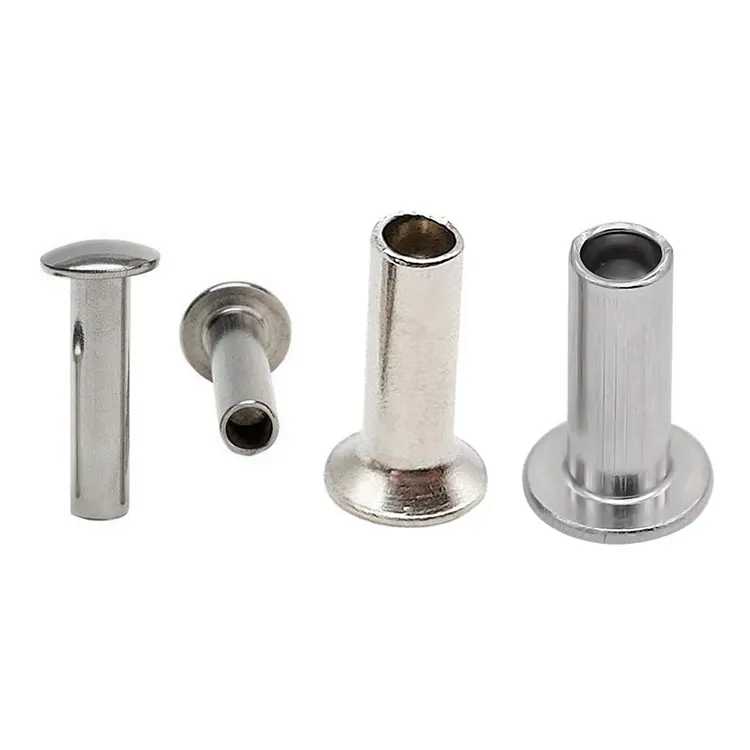
A rivet is a permanent mechanical fastener used to join two or more materials. Rivets work by inserting a metal pin into an aligned hole and deforming the end, creating a strong, secure, and durable connection. Unlike temporary fasteners like screws, rivets do not rely on threads, but instead form a permanent connection, making them ideal for applications requiring high strength, durability, and vibration resistance.


Classification of Rivets

Rivets are typically categorized by head shape, degree of hollowness, or material.

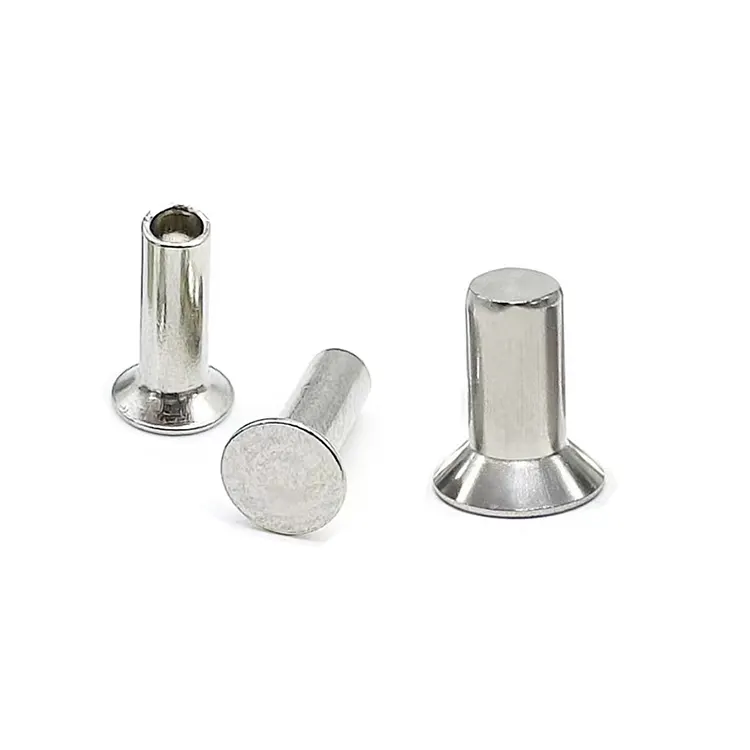
Based on head shape, rivets can be classified as flat head rivets, round head rivets, countersunk head rivets, mushroom head rivets, universal head rivets, truss head rivets, etc.

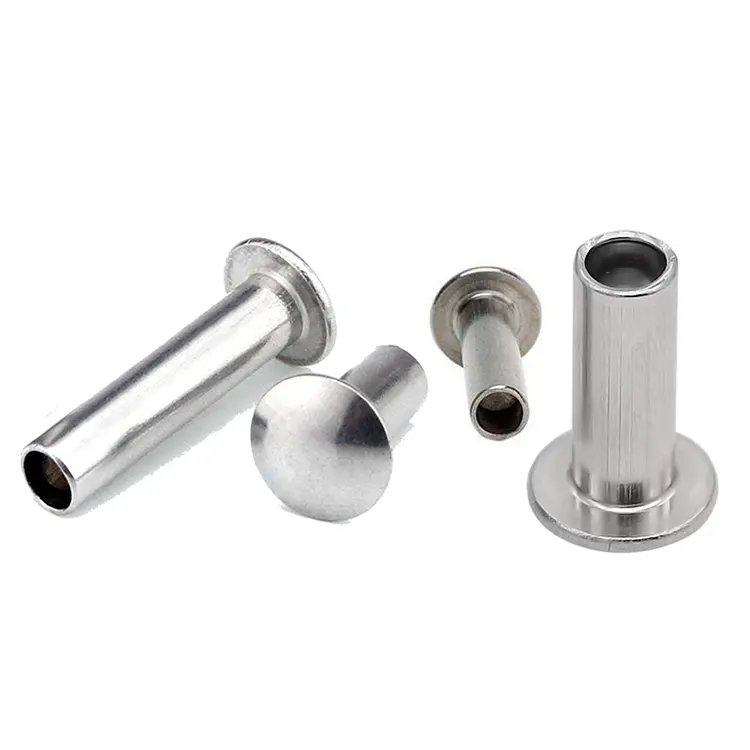
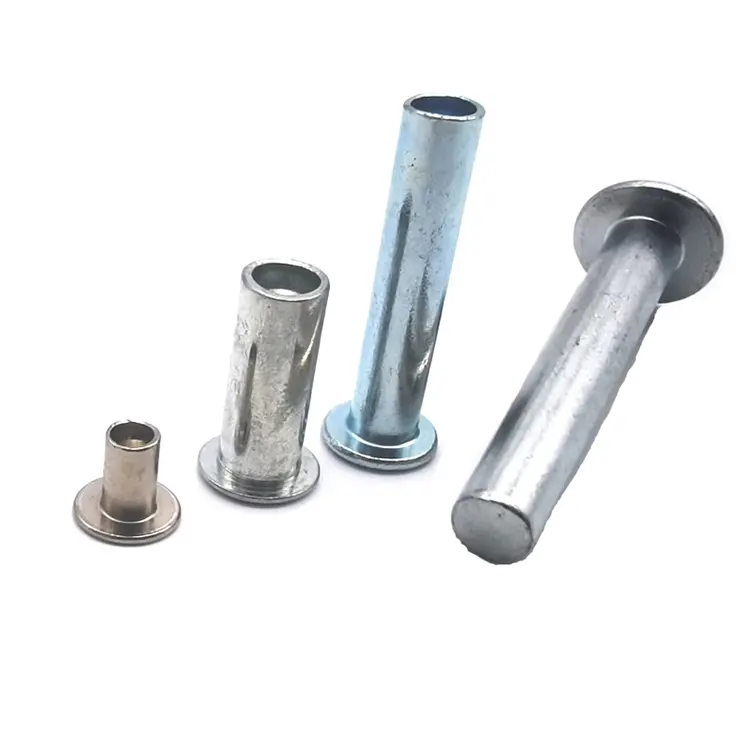
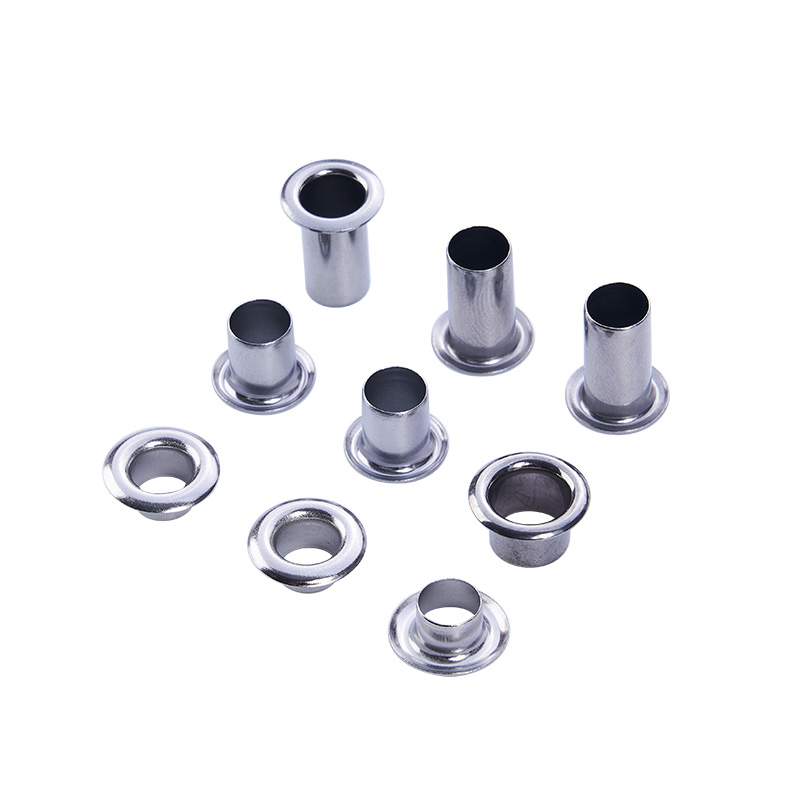
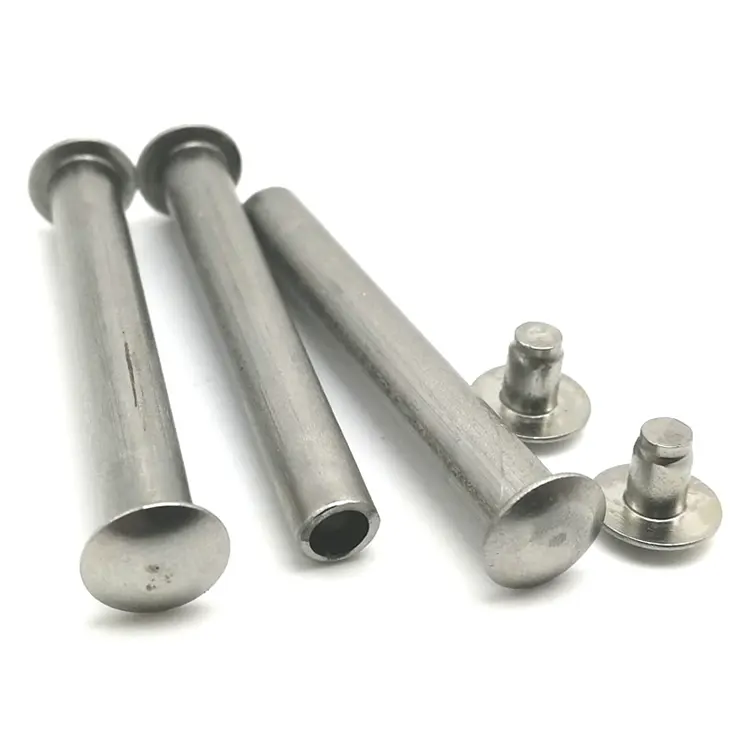
Based on degree of hollowness, rivets can be classified as solid rivets, semi-tubular rivets, or full tubular rivets.

Based on material, rivets can be classified as brass rivets, stainless steel rivets, steel rivets, aluminum rivets, copper rivets, etc.

What surface finishes are available for rivets?

Rivet surfaces are typically treated with rust-proofing treatments, primarily electroplating, including zinc plating, nickel plating, chrome plating, tin plating, gold plating, and silver plating. Electroplating is a common rust-proofing method for rivets. It applies a layer of plating to the rivet surface through physical or chemical methods. The plating effectively prevents corrosion and rust, while also providing a certain aesthetic effect.


Another special surface treatment method is head coating. Head coating is performed after the rivet is electroplated. This allows for a variety of colors on the rivet head, achieving an aesthetically pleasing finish.

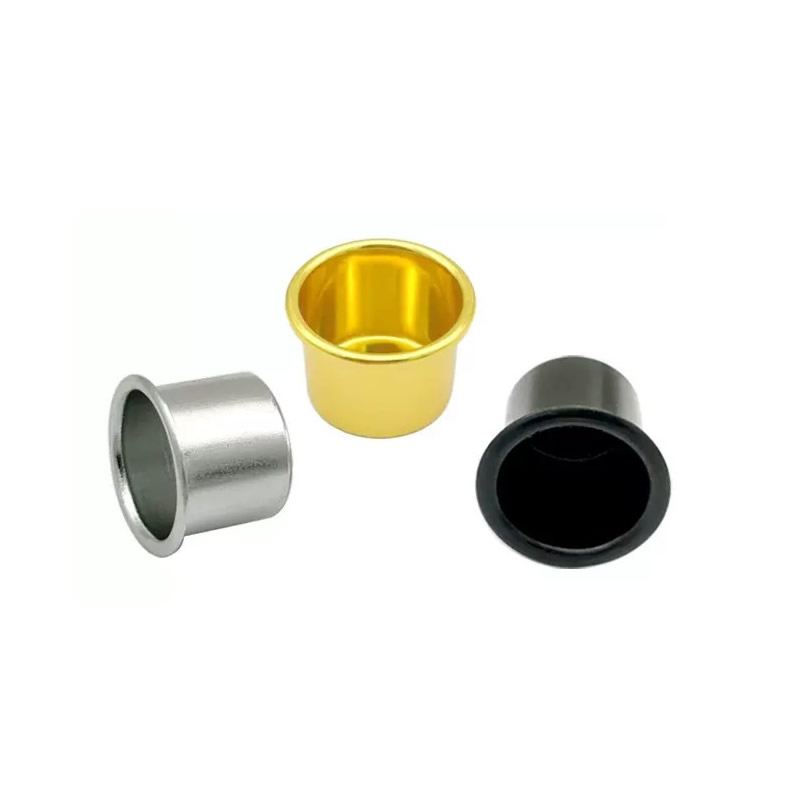
Aluminum rivets cannot be electroplated, but they can be anodized. Anodizing also allows for a variety of color options, but the unit price is higher than electroplating.

Rust-proofing the rivet surface is crucial, effectively extending the rivet's service life and ensuring a secure connection. Different rust-proofing methods are suitable for different environments and applications, so the choice should be tailored to the specific situation.


View as  
 
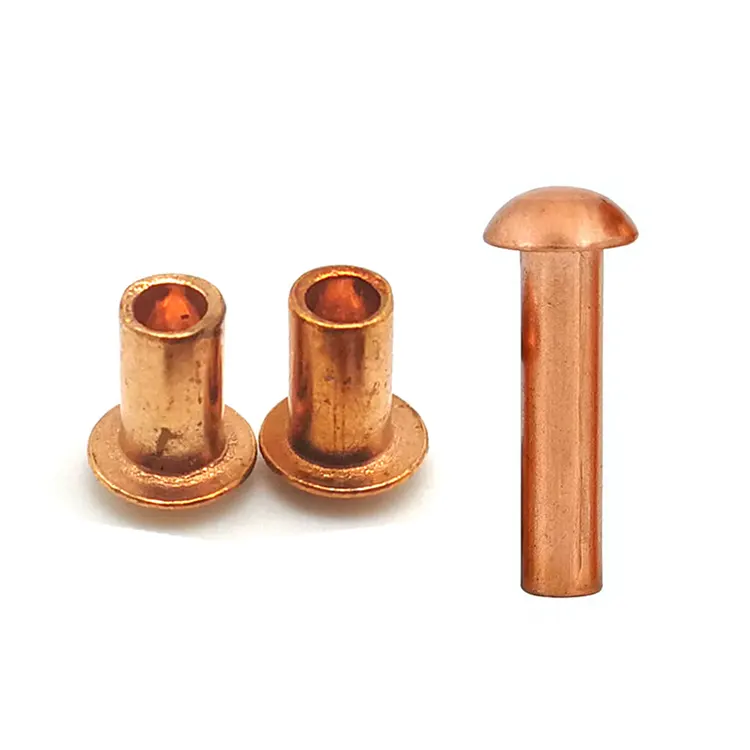
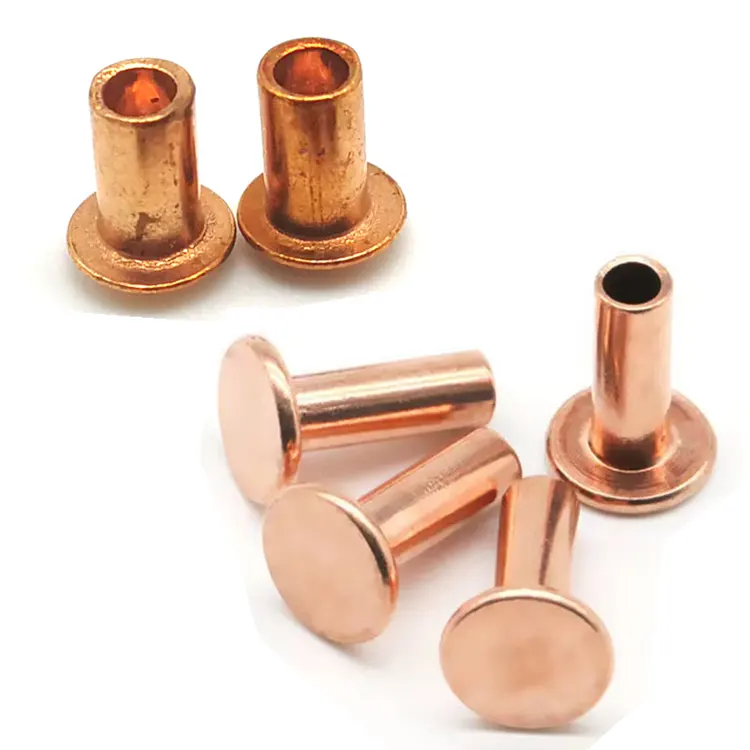
真鍮のチューブリベット

真鍮のチューブリベット

真鍮のチューブリベットは、真鍮で作られた中空のリベットであり、通常は中央の穴がある形状の円筒形です。それらの主な機能は、リベットを介して2つ以上のコンポーネントを接続することです。それらは、軽量、電気導電率、または腐食抵抗を必要とするアプリケーションでよく使用されます。真鍮は銅亜鉛合金であり、優れた機械的特性と腐食抵抗を備えており、これらのファスナーに適しています。 Nuote Metalsは、真鍮製チューブリベットのプロフェッションメーカーです。

続きを読むお問い合わせを送信
真鍮の中空リベット

真鍮の中空リベット

真鍮の中空のリベットは、一般に真鍮のチューブで作られています。真鍮のチューブは硬く、腐食が容易ではなく、高温や高圧に耐性があります。これらはさまざまな環境で使用できます。同時に、通常の金属よりも曲がり、ねじれ、ひび割れ、壊れやすいです。 Nuote Metalsは、中国のブラスホローリベットの専門的なメーカーであり、私たちは10年以上この業界にいます。

続きを読むお問い合わせを送信
アルミチューブリベット

アルミチューブリベット

アルミニウムチューブリベットは、高強度のアルミニウム合金で作られており、鋼鉄のリベットの密度が3分の1しかない顕著な軽量特性を誇っています。さらに、この材料は優れた腐食抵抗を提供し、大気および海水環境からの侵食に効果的に抵抗します。ユニークな中空構造設計は、強度を維持しながら全体的な重量をさらに減らします。ヌオート金属によって作られたアルミニウムチューブリベットは精度が高くなります。お問い合わせをお問い合わせください。

続きを読むお問い合わせを送信
アルミパイプリベット

アルミパイプリベット

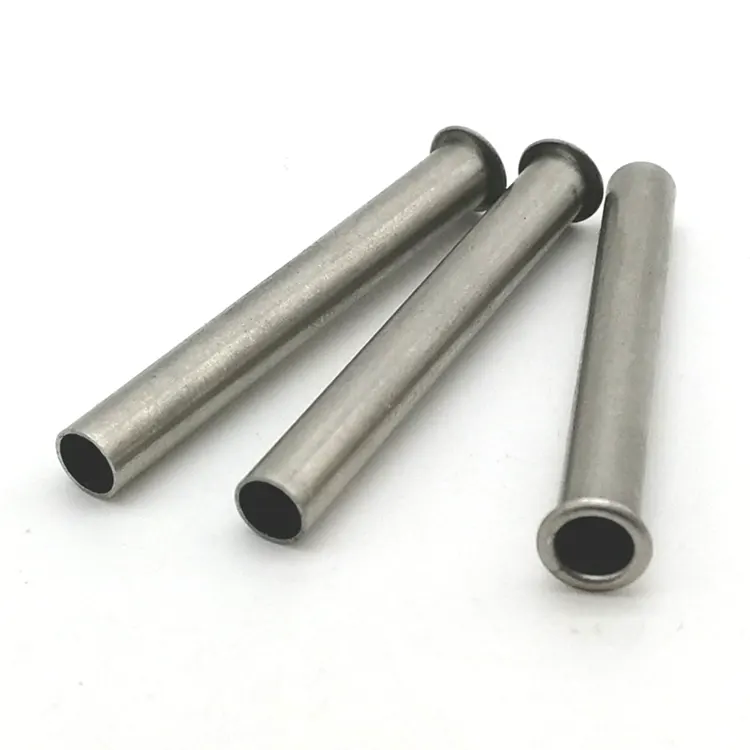
Nuote Metals は中国のアルミパイプリベットメーカーです。アルミパイプリベットは主にリベット頭とシャンクで構成されています。シャンクは中空の円筒で、通常は 5052 や 6061 などのアルミニウム合金で作られており、優れた延性と耐食性を備えています。このアルミニウム合金はリベット全体の軽量化に貢献し、重量に敏感な用途に適しています。さらに、アルミニウムの自然酸化層が環境要因による錆を効果的に防止し、寿命を延ばします。

続きを読むお問い合わせを送信
アルミ中空リベット

アルミ中空リベット

アルミ中空リベットは一般的な締結具であり、軽量、耐食性、導電性に優れているため、多くの分野で広く使用されています。 Nuote Metals は中国でアルミニウム中空リベットを製造および販売しており、この業界で 10 年以上の経験があります。

続きを読むお問い合わせを送信
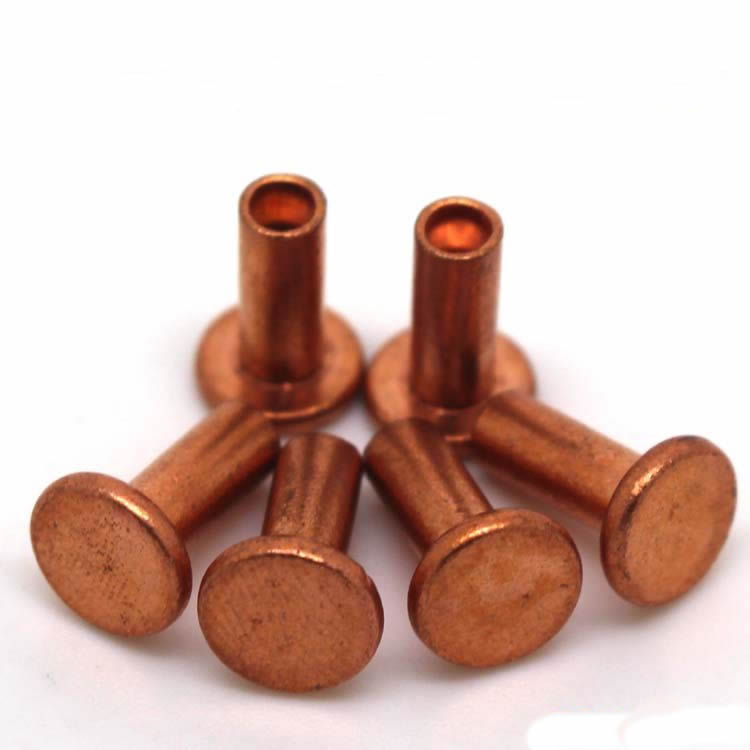
管状のリベット

管状のリベット

管状のリベットは通常、中空の中心を備えたシャンクとキャップで構成されています。この設計により、シャンクの端を軸方向の圧力にさらしたときに外側にカールでき、別のキャップのような構造を形成し、それにより2つ以上の材料を一緒に締めます。おなじみの固体リベットとは異なり、中空のリベットは反対側からのハンマーを必要としないため、片側からのみ操作できるアセンブリアプリケーションにより適しています。

続きを読むお問い合わせを送信

What are the advantages of rivets over other fasteners?

1. Ease of Installation

Rivets are fast to install, and even fully automated for high-volume applications, resulting in a simple and efficient operation process.

2. Connection Reliability

The riveting process is standardized, with strict quality control, resulting in highly stable connections. Visual inspection allows for quick verification of connection quality.

3. Vibration and Impact Resistance

Rivets connect through deformation or interference fit, providing strong clamping force and excellent vibration resistance, capable of withstanding vibration and shock.

4. Low Cost

Rivets are easy to install and can be fully automated, saving significant labor costs.


What are the advantages and disadvantages of rivets made of different materials?

Aluminum Rivets

Advantages: Lightweight, reduces overall product weight, low cost, suitable for general civilian applications.

Disadvantages: Low tensile and shear strength, unsuitable for high-strength workpieces, prone to electrochemical corrosion when in contact with metals such as stainless steel.

Stainless Steel Rivets

Advantages: Strong corrosion resistance, high hardness, suitable for high-strength workpieces (such as marine equipment)

Disadvantages: Higher cost, typically more expensive than aluminum rivets of the same specification.

Brass and Copper Rivets

Advantages: Excellent conductivity (such as connecting electronic components), good corrosion resistance.

Disadvantages: Higher cost, more difficult to process.

Steel Rivets

Advantages: High hardness, high connection reliability, and wide applicability.

Disadvantages: Compared to other materials, iron rivets are more prone to rusting.


What are the main applications of rivets?

Rivets have a wide range of uses, from small items like a pair of scissors to large items like airplanes and ships, as well as in high-precision medical applications.

Industrial Manufacturing

Rivets are used in a wide variety of industrial fields, wherever there is a need to connect two or more materials.

Electronics

Rivets secure heat sinks and chips, providing both vibration damping and noise reduction, and are widely used in the cooling systems of electronic products such as computers and mobile phones.

Automotive

Rivets are widely used to connect components of automobile bodies and chassis, such as doors and hoods. Their lightweight and corrosion-resistant properties make them an indispensable joining method in automotive manufacturing.

Aerospace

In aircraft manufacturing, rivets are used to connect different fuselage components, such as wings and tailplanes. Millions of rivets create high-strength, corrosion-resistant joints. Aluminum and titanium alloy rivets are often used to connect components of corresponding materials, ensuring stability in extreme environments.


Rivets are used everywhere. The above examples only represent a small number of their applications. We see rivets everywhere in our daily lives, such as on scissors, folding beds, and strollers etc. Rivets can be customized to different sizes and materials depending on the application.

Nuote Metals has specialized in the rivet industry for over a decade. Our factory is located in Dongguan, a city known as the "World Factory," a city with a developed industry and convenient transportation. This allows us to respond quickly when acquiring raw materials and supporting surface treatments, meeting our customers' needs for quick access to samples and bulk orders. We produce 10 million rivets daily and have molds of various specifications, allowing us to produce rivets as small as 0.8mm and as large as 10mm. We welcome your inquiries and visits.


中国の専門のリベットメーカーおよびサプライヤー、私たちは独自の工場を持っています。当社の リベット は耐久性と優れた仕上げで知られており、信頼性の高い金属部品をさまざまな業界に提供しています。
X
We use cookies to offer you a better browsing experience, analyze site traffic and personalize content. By using this site, you agree to our use of cookies. Privacy Policy